Mukul Roy: From Power Broker to Political Wanderer
By Ms.Bornali Biswas –Editor in Chief- Kolkata
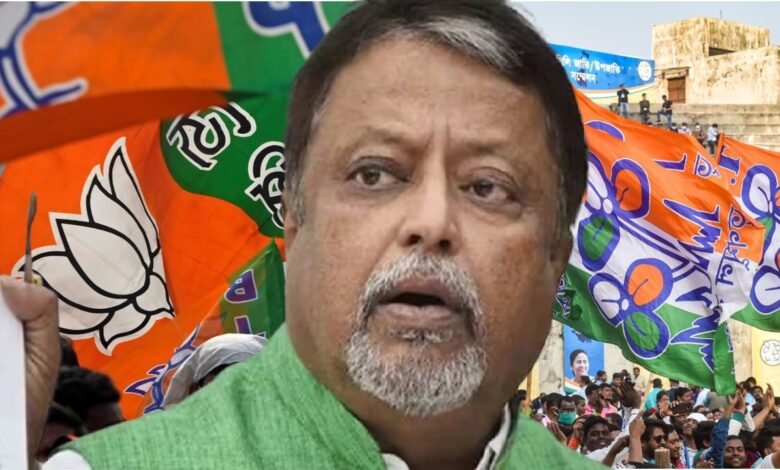
Mukul Roy’s political journey reads like a thriller—full of ambition, strategy, and unexpected reversals. As a founding member of the All India Trinamool Congress (AITC), Roy was one of the key architects behind the party’s historic rise in West Bengal, helping end decades of Left Front rule. Renowned as a master organizer and strategist, he earned a reputation as a kingmaker, shaping electoral victories and consolidating power at both the state and national levels.
Roy’s ascent included pivotal roles such as Union Minister of State for Railways and a close proximity to Mamata Banerjee, which made him indispensable within the party’s inner circle. His ability to navigate complex political landscapes, build networks, and mobilize support showcased his sharp political instincts.
However, political fortunes are rarely permanent. In 2017, Roy’s dramatic switch to the Bharatiya Janata Party (BJP) marked a bold new chapter, but also exposed the fragility of political clout. The move brought electoral setbacks, reduced influence, and highlighted the difficulty of rebuilding trust once broken. Once a decisive powerbroker, Roy gradually became a cautionary figure in West Bengal politics—a reminder that rapid rise can be as perilous as sudden decline.
Roy’s initial departure from the Trinamool Congress and joining the BJP in 2017 came amid a widening rift with TMC leadership, particularly as his influence diminished and his name surfaced in controversies such as the Saradha and Narada scandals. This created disagreements that ultimately led to his exit. In the BJP, he played a major role in expanding the party’s base in West Bengal. However, after the 2021 Assembly elections, his influence reportedly waned, especially as leaders like Suvendu Adhikari rose in prominence. Feeling sidelined and disillusioned, Roy decided to return to TMC shortly after the election results.
Political debates and social media theories suggested strategic games or “Trojan horse” scenarios, but these remain speculative. Verified reports point to personal ambition, declining influence, and shifting party dynamics as the core reasons behind his moves.
Later, when Roy unexpectedly flew to Delhi without informing his family, it caused alarm—his son even filed a missing person complaint. Roy later told reporters he was in the national capital for “personal work” with “no specific agenda,” though he also mentioned that he considered himself still affiliated with the BJP rather than TMC at that moment.
The nation mourned his passing. Prime Minister Narendra Modi expressed deep sorrow, remembering Roy for his political experience and efforts to serve society. Union Home Minister Amit Shah also conveyed condolences. Chief Minister Mamata Banerjee highlighted Roy’s contributions to West Bengal politics and his organizational skills. Leader of the Opposition in West Bengal Suvendu Adhikari, Union Minister of State Dr Sukanta Majumdar, and Congress President Mallikarjun Kharge also expressed their deep sorrow.
Mukul Roy’s career encapsulates the highs and lows of Indian politics: brilliance and ambition can propel one to the top, but adaptability, timing, and allegiance ultimately determine longevity. His journey remains both a blueprint for political acumen and a cautionary tale of how influence can fade in a dynamic democracy.