Gwalior: MP High Court Bars Religious, Cultural Events at Tansen’s Grave, Calls for Preservation
News Mania Desk / Piyal Chatterjee / 25th June 2025

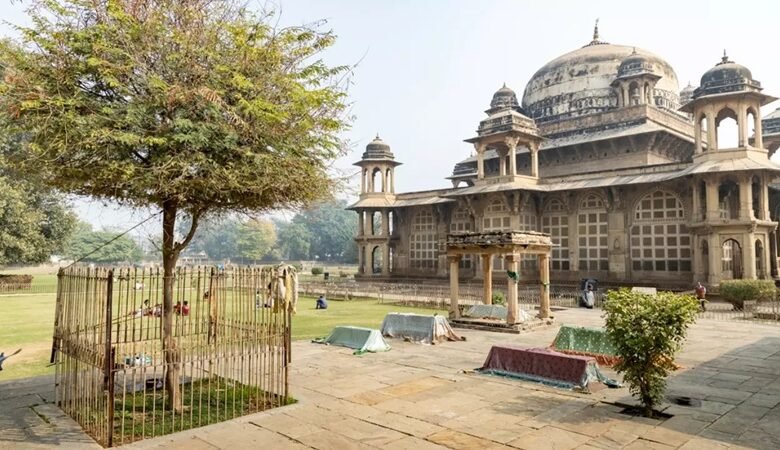
The Madhya Pradesh High Court has ruled that Tansen’s mausoleum in Gwalior merits protection, while prohibiting any religious or cultural gatherings from taking place at the historic site. The bench dismissed a plea seeking permission for ceremonies or musical events at the tomb of the legendary Mughal-era singer.
Tansen, one of Emperor Akbar’s nine distinguished courtiers and a 16th-century musical maestro, is interred within a roughly 300-year-old mausoleum located near Gwalior Fort. Petitioners argued that musical performances and rituals held there honored Tansen’s legacy. However, the court emphasised that such activities could jeopardise both the heritage integrity of the site and its archaeological value
In its order, the court noted that Tansen’s tomb is protected under national heritage regulations, and that conducting religious or cultural functions there would constitute misuse of protected property. The bench also lamented the worsening upkeep and encroachment around the site, urging authorities to remove unauthorized structures, improve maintenance, and ensure that the monument’s historical essence remains intact .
While the court did not outright bar future events, it stipulated that any gathering taking place in the monument’s environs must receive explicit permission from the Archaeological Survey of India (ASI) or other relevant heritage authorities and must strictly comply with preservation guidelines.
This judgement highlights the legal human challenge in balancing cultural commemoration with conservation. Though the mausoleum commemorates an iconic musical figure, the court asserted that the sanctity of protected heritage sites must take priority over celebratory functions. The order calls upon state and federal heritage agencies to collaborate in overseeing Tansen’s tomb, remove unauthorized encroachments, and restore the structure to preserve its historical and cultural importance for future generations.