Oil sees historic disruptions as Iran escalates attacks on shipping
News Mania Desk / Piyal Chatterjee/ 12th March 2026

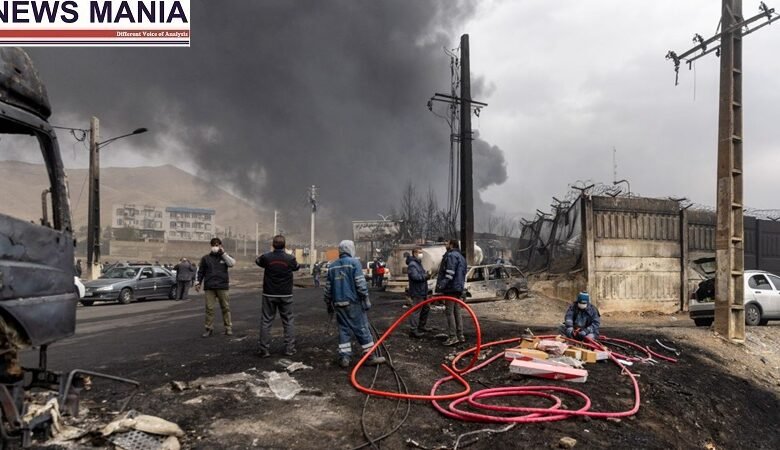
An Indian crew member died after a US-owned crude oil tanker, Safesea Vishnu, was attacked by Iran near Basra in Iraq yesterday. The remaining 15 Indian crew members on board have since been evacuated and moved to safety, the Indian Embassy in Baghdad informed. Another oil tanker was also caught ablaze in the Persian Gulf after coming under attack in Iraq’s territorial waters. Iran has claimed responsibility for the attacks, saying an underwater drone attack “blew up two oil tankers in the Persian Gulf”, according to Iranian state broadcaster IRIB.
The ships that were attacked were the Marshallese-flagged Safesea Vishnu and the Maltese-flagged Zefyros. The owner of Zefyros is situated in Greece, but Safesea Vishnu is owned by the US-based business Safesea Transport Inc.
According to the Indian embassy, it maintains frequent communication with both the rescued Indian sailors and the Iraqi authorities.One Indian crew member tragically lost his life in an attack on the US-owned crude oil tanker Safesea Vishnu, which was flying the Marshall Islands flag, on March 11, 2026, close to Basra, Iraq. Since then, the remaining fifteen Indian crew members have been moved to a secure location.The two ships may have been struck by an explosives-rigged Iranian “suicide” boat, according to a previous source, and an investigation is still underway.
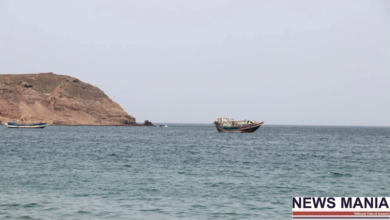
At least three commercial vessels have also been hit by “unknown projectiles” in the Strait of Hormuz, the world’s busiest oil shipping route, as the American-Israeli war with Iran continues to squeeze the oil-rich Gulf region amid global energy concerns. One ship was hit off the coast of the United Arab Emirates (UAE), a second north of Oman had to be evacuated due to fire on board; and a third sustained damage north-west of Dubai, according to the UK Maritime Trade Operations (UKMTO).
Previously, Iran had said it would “set fire” to any ships trying to pass through the Strait through which about 20 per cent of the world’s oil usually passes. Despite Tehran’s threat, a very small amount of traffic has continued through the route.
Meanwhile, the US military “eliminated” sixteen Iranian mine-laying ships in the strait, according to the Trump administration. With no end in sight, the 12-day US-Israeli assault against Iran has drastically decreased maritime commerce and driven up oil prices worldwide.
The Persian Gulf and the Arabian Sea are divided by the 55-kilometer-wide Strait of Hormuz, which runs between Iran and Oman. It is one of the busiest and most strategically vital shipping routes in the world and a particularly crucial piece of global real estate in terms of the energy sector. These waterways typically handle 13 million barrels of oil per day, or around 31% of all oil shipments worldwide.