
If piped gas is available, get it or you run the danger of running out of LPG: Government
News Mania Desk/ Piyal Chatterjee/25th March 2026

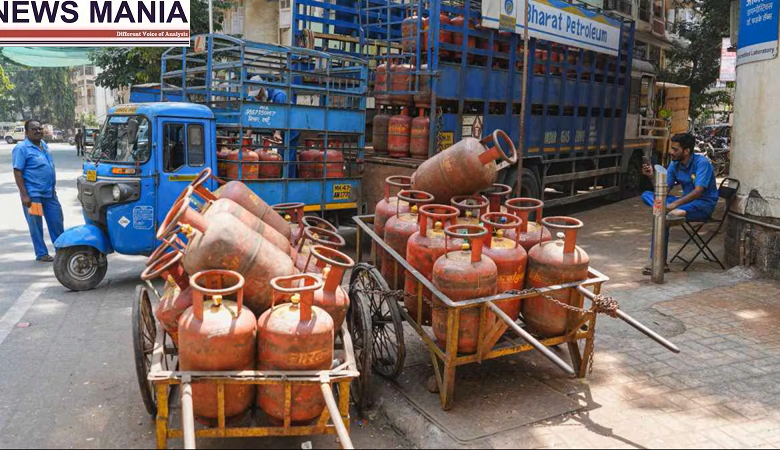
The government has ordered that the supply of LPG would be shut off if consumers do not transition to piped natural gas where it is accessible. The clock is now ticking, which could change how millions of people cook.
The Ministry of Petroleum and Natural Gas issued a new decree on March 24 that gives people only three months to choose PNG after being informed, or else they risk losing access to LPG completely. The timing is not coincidental.The continuous conflict in West Asia has caused a scarcity of LPG in India, which has affected global energy flows and interfered with supplies from important sources.
PNG, which is viewed as more dependable because of its diverse sourcing and indigenous manufacturing, is currently being pushed by the government to homes and commercial consumers.
PNG is delivered straight to kitchens via pipelines, eliminating the need for refills, in contrast to LPG cylinders.It is evident from the order. The switch is no longer discretionary once a household is notified by an authorized entity that PNG is available.There’s a warning. LPG will only proceed if a PNG connection is “technically infeasible,” provided that the provider issues a no-objection certificate.
The goal of the new framework, which was released under the Essential Commodities Act, is to expedite the nationwide installation of gas pipelines. Pipeline laying permits must now be authorized within predetermined timeframes; else, they will be considered approved.
It is forbidden for authorities to charge more than what is specified. Last-mile PNG connections must be made within 48 hours, and access to housing complexes must be made within three working days. Rejecting an application is not possible.
The directive grants broad authority to guarantee adherence. With powers akin to those of a civil court, designated officials may intervene to settle disagreements regarding land access. Companies risk penalties, including losing exclusivity, if they don’t start pipeline development within four months after approval.
Monitoring implementation, keeping track of approvals, and guaranteeing adherence have been assigned to the Petroleum and Natural Gas Regulatory Board.Fundamentally, the policy seeks to reroute LPG supply to places that still lack pipeline infrastructure and free up supplies in areas where PNG is already accessible. Neeraj Mittal, the oil secretary, referred to it as “a crisis turned into an opportunity,” citing more extensive changes meant to improve energy security and streamline corporate procedures.