US–Israel–Iran Conflict Intensifies as Hormuz Blockade Tightens Amid Ongoing Ceasefire Efforts
News Mania Desk/ Piyal Chatterjee/15th April 2026

The ongoing conflict involving United States, Israel, and Iran has entered a critical phase, marked by heightened military activity and parallel diplomatic efforts aimed at securing a ceasefire. As tensions escalate, a strategic naval blockade in the Strait of Hormuz has emerged as a central flashpoint, significantly impacting regional stability and global energy flows.
According to latest developments, the United States has intensified pressure on Iran by enforcing strict maritime controls in and around the Strait of Hormuz, a crucial route for global oil shipments. Several vessels attempting to access Iranian ports have reportedly been turned back, effectively disrupting Tehran’s maritime trade and curbing its oil exports—an essential pillar of its economy. The move is seen as part of Washington’s broader strategy to exert economic and strategic pressure amid ongoing tensions over Iran’s nuclear programme.
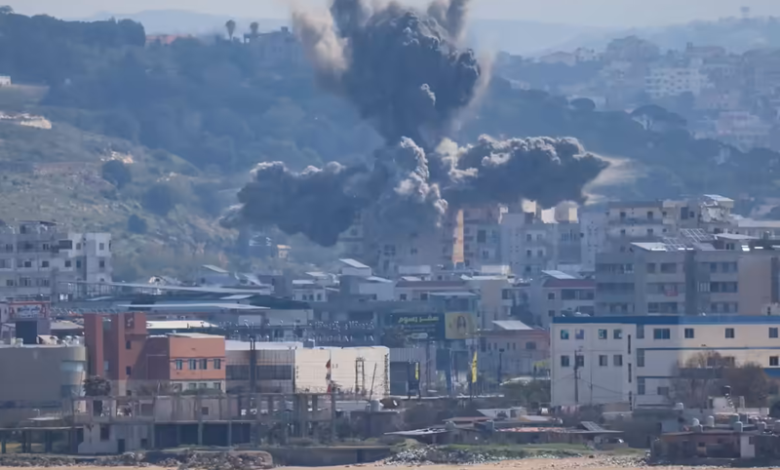
Simultaneously, the situation on the ground remains volatile. Israeli forces have continued airstrikes in parts of Lebanon, targeting positions linked to militant groups. The strikes have been accompanied by evacuation advisories, raising humanitarian concerns about civilian safety and potential displacement in the region.
Despite the escalation, diplomatic channels remain active. Efforts to broker a ceasefire are ongoing, with backchannel negotiations reportedly involving multiple countries. Pakistan has been mentioned as a possible mediator, offering to facilitate dialogue between Washington and Tehran after earlier rounds of talks failed to produce a breakthrough. US President Donald Trump has indicated that there may be progress toward de-escalation, suggesting that the conflict could be nearing a resolution. However, no formal agreement has been reached, and key issues—particularly Iran’s nuclear ambitions—remain unresolved. Washington continues to push for strict limitations on uranium enrichment, while Tehran has maintained its stance on retaining its nuclear capabilities.
Iran, for its part, has issued warnings of possible retaliation if the blockade continues. It has also asserted its position over the Strait of Hormuz, describing it as part of its territorial domain and blaming external pressures for the current crisis. The conflict is having broader global repercussions, particularly in energy markets. The Strait of Hormuz handles a significant share of the world’s oil supply, and disruptions in the region have already led to rising oil prices and concerns over supply security. Countries heavily dependent on Gulf energy imports are closely monitoring the situation.
As military operations persist alongside diplomatic negotiations, the crisis remains highly fluid. While there are indications of potential dialogue, the combination of strategic blockade, regional conflict, and unresolved geopolitical tensions suggests that the path to peace remains uncertain.