US and Iran Move Closer to Deal with Draft 14-Point Framework to Ease Tensions
News Mania Desk/ Piyal Chatterjee/6th May 2026

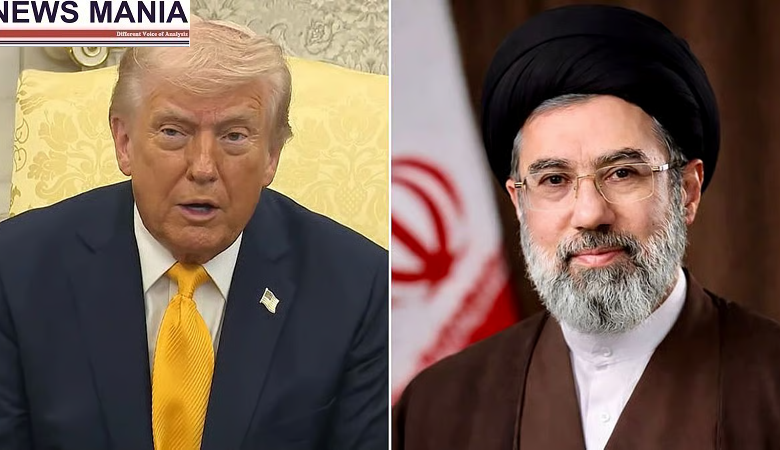
The United States and Iran are reportedly nearing a breakthrough in efforts to end prolonged tensions in the Middle East, with both sides advancing discussions around a concise one-page memorandum outlining a 14-point framework. According to a report published by The Times of India, the proposed document signals the most substantial diplomatic progress between the two nations in recent years.
Sources familiar with the negotiations indicate that the draft memorandum is intended to serve as an initial step toward a broader and more detailed agreement. While it does not represent a final settlement, it is expected to create a structured pathway for formal negotiations aimed at resolving key disputes, particularly those related to Iran’s nuclear programme and regional security dynamics.
The proposed framework reportedly includes provisions that could lead to a temporary halt or limitation on Iran’s uranium enrichment activities, a long-standing point of contention with the United States. In exchange, there may be discussions around the phased easing of US-imposed economic sanctions on Iran. Other elements under consideration include measures to reduce military tensions, ensure the security of critical maritime routes such as the Strait of Hormuz, and promote regional stability.
Officials involved in the process have described the development as a significant diplomatic opening, though they caution that considerable challenges remain. Key disagreements persist over the scope and duration of nuclear restrictions, as well as broader geopolitical concerns that extend beyond bilateral relations.
The negotiations are believed to involve a combination of direct and indirect channels, with intermediaries playing a role in facilitating dialogue. Both Washington and Tehran have expressed cautious optimism, acknowledging progress while emphasizing that no agreement has yet been finalized.
If the memorandum is accepted, it could trigger a defined negotiation period—reportedly lasting several weeks—during which both sides would work to finalize the terms of a comprehensive deal. This phase would be critical in determining whether the current momentum can translate into a lasting resolution.
The potential agreement has already drawn attention from global observers, with analysts viewing it as a possible turning point in efforts to stabilize the Middle East. Financial markets have also responded positively to signs of de-escalation, reflecting broader hopes for reduced geopolitical risk.
Despite the encouraging developments, experts warn that the situation remains delicate. Deep-rooted mistrust, domestic political pressures, and unresolved strategic issues could still hinder progress. Nevertheless, the emerging 14-point framework represents the closest the United States and Iran have come to bridging their differences and opening a path toward sustained diplomatic engagement.