World’s 10 Darkest Regions Offer Unmatched Views of Stars, Planets and the Milky Way
News Mania Desk/ Piyal Chatterjee/ 1st June 2026

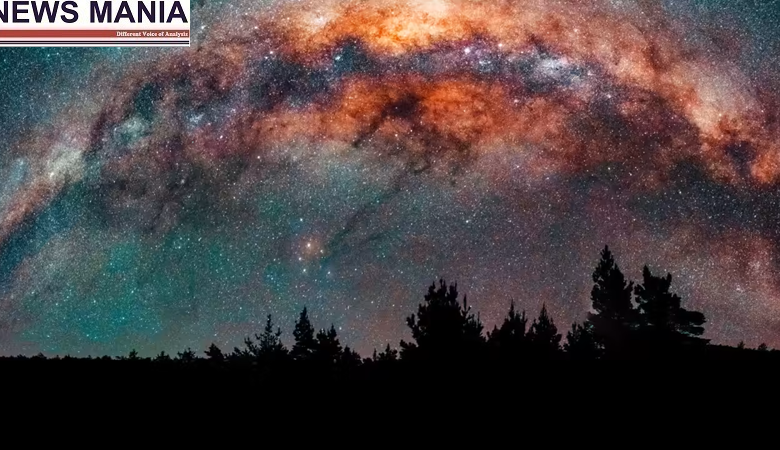
As light pollution continues to spread across the globe, a growing number of travelers and astronomy enthusiasts are seeking destinations where the night sky remains untouched by artificial illumination. According to a recent report, several remote regions around the world provide some of the clearest and darkest skies, allowing visitors to witness spectacular views of planets, stars, meteor showers and the Milky Way.
These locations have become important not only for tourism but also for astronomical research and conservation efforts aimed at preserving natural darkness.
1. Atacama Desert, Chile
Located at a high altitude and known for its extremely dry climate, the Atacama Desert is considered one of the finest stargazing destinations on Earth. The region experiences more than 300 clear nights annually and hosts several world-renowned observatories.
2. Namib Desert, Namibia
One of the darkest places in the Southern Hemisphere, the Namib Desert offers breathtaking views of the Milky Way and numerous southern constellations due to its remote location and minimal light pollution.
3. Aoraki Mackenzie International Dark Sky Reserve, New Zealand
This protected reserve is globally recognized for its pristine skies. Visitors and astrophotographers flock to the area to capture stunning celestial displays.
4. Warrumbungle National Park, Australia
Australia’s first officially designated Dark Sky Park, Warrumbungle is celebrated for its exceptional night-sky visibility and astronomy-focused tourism.
5. Galloway Forest Park, Scotland
One of Europe’s largest dark-sky areas, Galloway Forest Park provides excellent opportunities to observe thousands of stars that are often hidden in urban environments.
6. Cherry Springs State Park, United States
Popular among amateur and professional astronomers, the park is renowned for its remarkably dark skies and regular stargazing events.
7. Mauna Kea, Hawaii
Situated above much of Earth’s atmosphere, Mauna Kea offers crystal-clear views of the cosmos and is home to several advanced telescopes.
8. Roque de los Muchachos Observatory, Spain
Located on La Palma in the Canary Islands, this site benefits from strict lighting regulations and atmospheric conditions ideal for astronomy.
9. Al Quaa Desert, United Arab Emirates
Often referred to as the UAE’s “Milky Way Spot,” the desert has emerged as a favorite destination for night-sky enthusiasts.
10. Tibetan Plateau
Its high elevation, vast open landscapes and sparse population create ideal conditions for observing celestial phenomena.
Experts note that preserving these dark-sky regions is increasingly important as urban development and artificial lighting continue to obscure the natural night sky. These destinations not only provide unforgettable astronomical experiences but also serve as reminders of humanity’s enduring connection to the universe.