US and Iran Sign Historic Peace Accord to End West Asia Conflict, Launch Roadmap for Long-Term Stability
News Mania Desk/ Piyal Chatterjee/18th June 2026

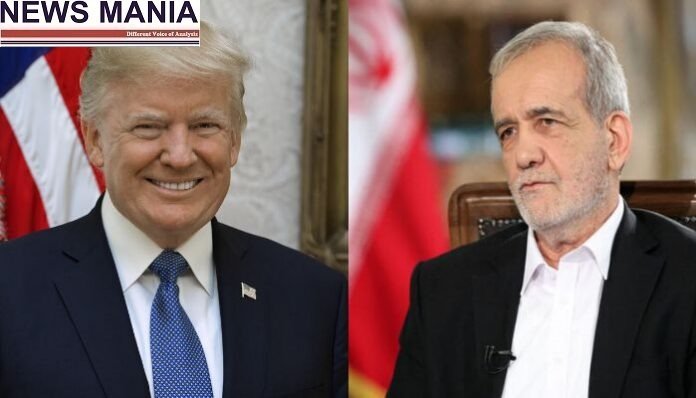
In a significant diplomatic breakthrough, the United States and Iran have formally signed a peace agreement aimed at ending months of hostilities in West Asia and reducing tensions that have threatened regional and global stability. The deal, confirmed by officials from both countries, marks the first major accord between Washington and Tehran in years and is being viewed as a crucial step toward preventing a wider conflict in the Middle East.
The agreement follows months of indirect negotiations facilitated by international mediators after escalating military confrontations, attacks on strategic infrastructure, and growing concerns over disruptions to global energy supplies. The conflict had raised fears of a broader regional war involving multiple countries and armed groups across West Asia.
Under the terms of the 14-point memorandum of understanding, both nations have agreed to immediately cease hostile actions and begin a structured dialogue aimed at resolving longstanding disputes. A key provision includes the reopening and protection of the Strait of Hormuz, one of the world’s most important maritime trade routes through which a significant portion of global oil exports pass.
The accord also outlines a framework for future discussions on Iran’s nuclear programme, sanctions relief, regional security, and economic cooperation. The United States has reportedly committed to a phased easing of certain sanctions, while Iran has reiterated its commitment to ensuring freedom of navigation in regional waters and cooperating on measures to reduce tensions.
The agreement establishes a 60-day negotiation period during which diplomats and technical experts from both countries will work toward a comprehensive and legally binding settlement. International observers see this phase as critical to determining whether the breakthrough can translate into a lasting peace arrangement.
World leaders have welcomed the development, describing it as a positive step toward restoring stability in a region that has experienced years of conflict and geopolitical rivalry. Indian Prime Minister Narendra Modi was among the leaders who expressed support for the initiative, emphasizing the importance of peace, regional security, and uninterrupted maritime trade.
While challenges remain and deep mistrust persists between the two countries, the accord has generated cautious optimism that a sustained diplomatic process could replace confrontation and pave the way for greater stability across West Asia.