Iran Restarts Oil Exports as Supertankers Leave Blockade Zone Amid Easing Regional Tensions
News Mania Desk/ Piyal Chatterjee/18th June 2026

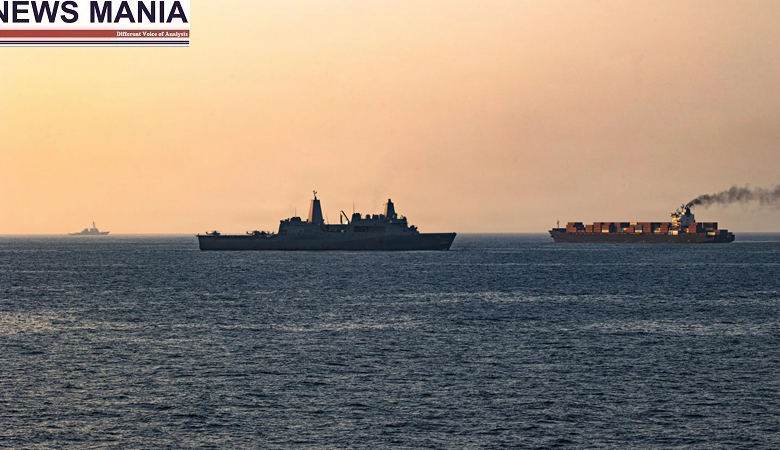
Iran has resumed crude oil exports after a prolonged disruption, marking a significant development for global energy markets as two supertankers carrying nearly 3.8 million barrels of crude successfully departed an area previously affected by a United States naval blockade.
According to maritime tracking data, the vessels, operated by the National Iranian Tanker Company, left the restricted zone and began their journey toward international destinations. The departure is being viewed as one of the clearest signs yet that tensions in the region may be easing following recent diplomatic efforts aimed at reducing conflict and restoring stability in the Middle East.
The resumption of exports comes after weeks of uncertainty that had disrupted shipping routes and raised concerns about the security of energy supplies. The blockade had significantly limited Iran’s ability to move crude oil to overseas buyers, adding pressure to global markets already grappling with geopolitical instability and fluctuating prices.
Industry analysts said the movement of the tankers indicates that maritime traffic is gradually returning to normal. The successful transit of such large volumes of crude oil is expected to reassure traders and importers concerned about potential supply shortages. Market observers noted that the development could help improve confidence in energy markets and reduce fears of prolonged disruptions in one of the world’s most strategically important oil-producing regions.
The restart of exports follows diplomatic initiatives involving major global powers seeking to de-escalate tensions between Iran and the United States. While significant political and security issues remain unresolved, recent agreements and ceasefire efforts have created conditions that allow commercial shipping operations to resume.
Energy experts believe the return of Iranian crude to international markets could contribute to greater supply availability and help stabilize oil prices. The reopening of export routes is particularly important given the role of Middle Eastern producers in meeting global energy demand.
Despite the positive development, analysts cautioned that the situation remains fragile. Ongoing negotiations concerning Iran’s nuclear programme, regional security concerns and broader geopolitical disputes continue to pose risks to long-term stability.For now, however, the departure of the two supertankers represents a notable step toward restoring normal trade flows and reducing pressure on global energy supply chains after months of uncertainty and disruption.