India Must Build Industry-Scale Expertise in Critical Minerals to Lead the Global Resource Race
News Mania Desk/ 19th June 2026

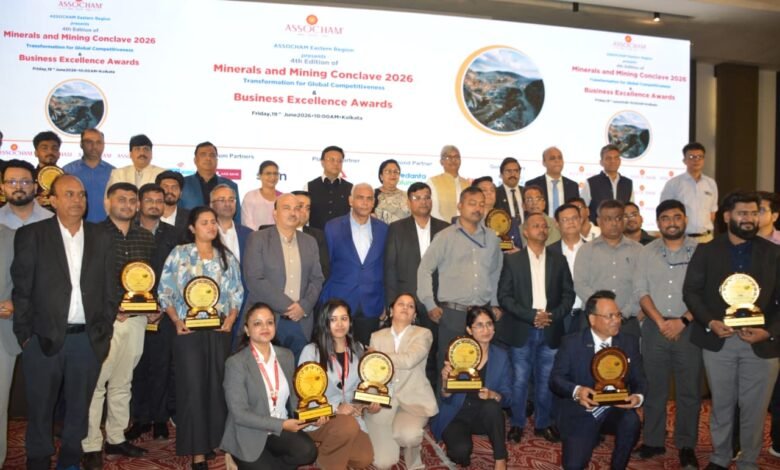
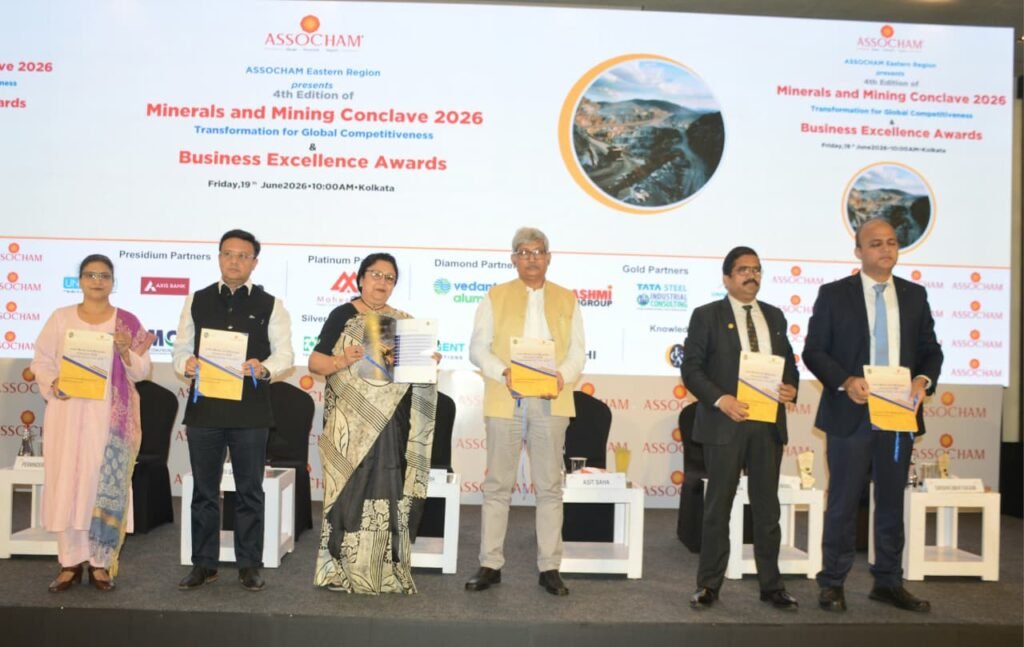
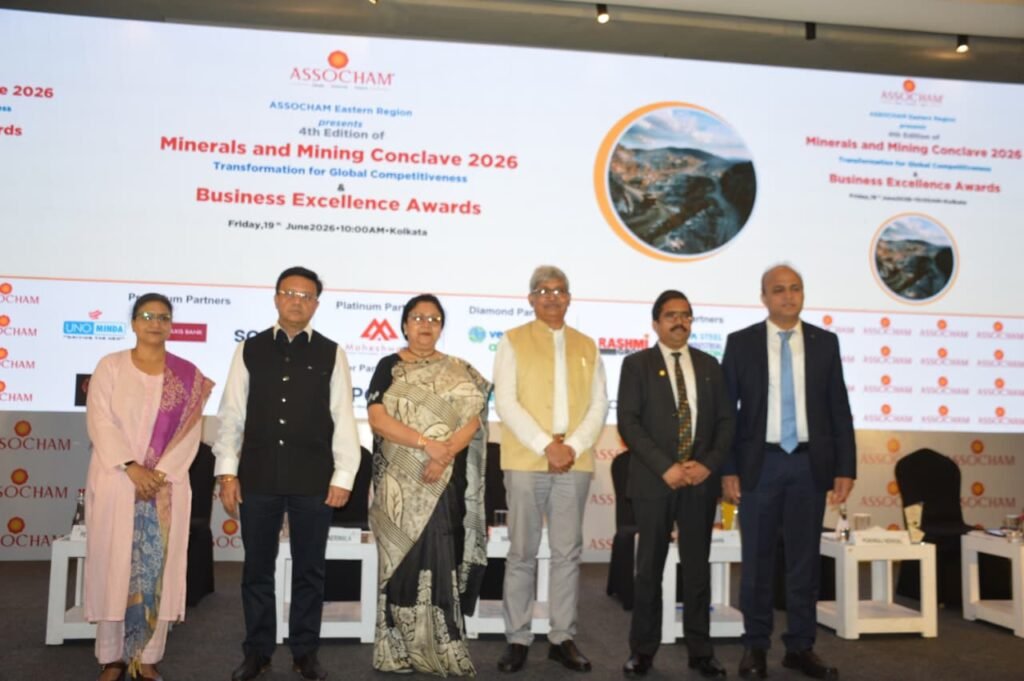
Kolkata, June 19, 2026: India’s ambition to emerge as a global leader in critical minerals faces a major hurdle — the lack of industry-scale expertise in extracting and processing these strategic resources. Industry leaders and government officials highlighted this challenge at the 4th Edition of the Minerals and Mining Conclave organized by ASSOCHAM in Kolkata.
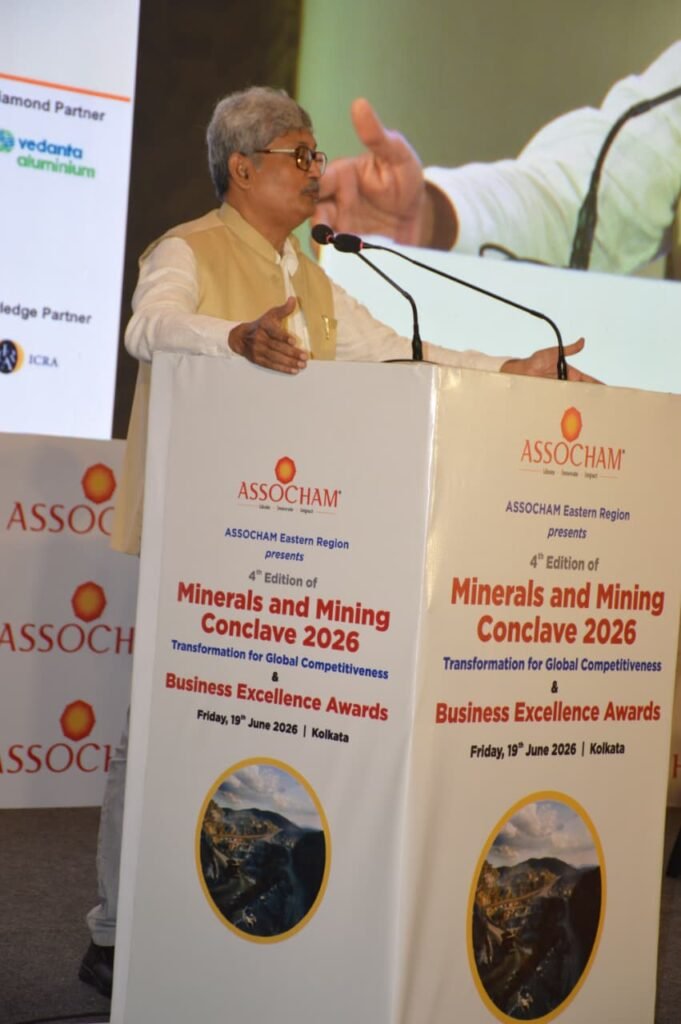
Addressing the conclave, Asit Saha said that while India has established itself as a powerhouse in the mining of bulk minerals such as iron ore, limestone, chromite and bauxite, the country remains significantly behind in the mining and beneficiation of new-age minerals.
“We are very comfortably placed as far as traditional minerals are concerned. However, when it comes to critical minerals, we still lack the industry-scale knowledge required for extraction and processing. This is the biggest stumbling block preventing India from taking a leadership position,” he said.
Critical Minerals: The New Strategic Asset
The importance of critical minerals has grown rapidly with the global transition toward clean energy, electric mobility, advanced electronics and defense technologies.
According to Pukhraj Nenival, minerals such as lithium, cobalt, nickel, graphite, copper and rare earth elements (REEs) have become strategic assets with geopolitical significance.
“The global race is no longer for oil fields; it is now for control of the minerals value chain,” he remarked, emphasizing that critical minerals have emerged as a new currency of global influence.
Reforms Driving a New Mining Ecosystem
Nenival noted that the Government of India has undertaken one of the most comprehensive reform programmes in the history of the mining sector. The focus has shifted from policy-driven regulation to technology-enabled governance, faster exploration, digitalization, commercial mining, mineral auctions and critical mineral development.
These reforms, he said, are helping create a more competitive, transparent and investor-friendly mining ecosystem.
West Bengal Eyes Critical Mineral Potential
West Bengal is also exploring opportunities in the sector. Sarmistha Ghosh revealed that the state possesses promising critical mineral deposits in several mineral-bearing districts and has sought support from the Geological Survey of India for exploration and assessment activities. Joint initiatives between the state government and GSI are also being considered.
Technology Key to Unlocking India’s Mineral Wealth
Highlighting the technological challenge, Sanjiv Ganeriwala said India possesses significant reserves of rare earth elements and critical minerals such as vanadium, titanium and graphite. However, the real challenge lies in acquiring advanced beneficiation and processing technologies needed to economically extract these minerals from ore.
He added that recent reforms by the Ministries of Mines and Coal have opened new opportunities for exploration, value addition, international partnerships and technological collaboration.
As the global demand for critical minerals continues to surge, experts at the conclave agreed that developing indigenous processing capabilities and industry-scale technical expertise will be essential if India is to secure a strong position in the rapidly evolving global minerals value chain.