Nearly All Gaza Residents Need Shelter as El Niño Raises Flooding Fears, UN Agency Warns
News Mania Desk/ Piyal Chatterjee/ 6th October 2026

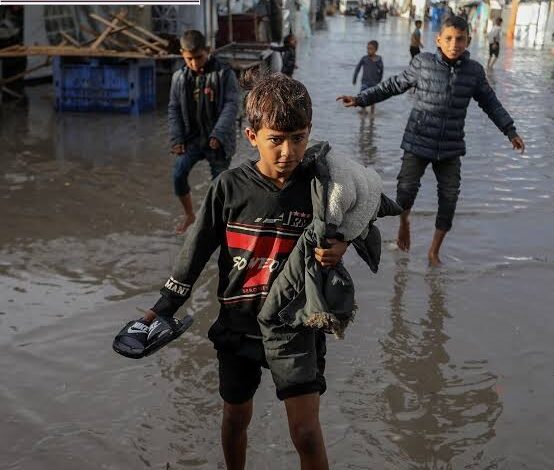
Nearly the entire population of Gaza requires emergency shelter as the threat of heavy rainfall and flooding increases ahead of winter, according to the International Organization for Migration (IOM). The worsening situation has raised concerns that the combination of damaged infrastructure, inadequate shelter and extreme weather could deepen the humanitarian crisis in Gaza.
The UN migration agency estimates that nearly two million people need tents or other forms of shelter. Many displaced Palestinians are living in makeshift structures that offer limited protection against rain, cold temperatures and flooding.
The approaching El Niño weather phenomenon could bring heavier rainfall, increasing the risk of flooding across the war-torn territory. Years of conflict have severely damaged drainage systems and other essential infrastructure, leaving displacement sites particularly vulnerable to water accumulation and structural damage.
IOM Director General Amy Pope said humanitarian agencies had met only around 17% of Gaza’s winter shelter requirements. The shortfall has raised concerns about whether sufficient supplies will reach displaced families before adverse weather conditions intensify.
Access to essential shelter materials remains another major challenge. According to the report, approximately 8,600 emergency shelter kits containing materials such as wood and tarpaulins have not been permitted to enter Gaza by Israeli authorities, who classify them as potentially dual-use items. Israel has cited security concerns in connection with restrictions on certain supplies. The condition of existing shelters has also deteriorated. More than half of Gaza’s tents and makeshift shelters reportedly require replacement, while around 3,600 structures were identified as dangerous and at risk of collapse in August.
Approximately 1.8 million displaced people are staying at displacement sites, many of which are situated in areas susceptible to flooding. Poor drainage, damaged buildings and shortages of replacement materials could expose vulnerable families to additional risks during the winter months. Humanitarian agencies have warned that urgent assistance is needed to provide safer accommodation and essential supplies. Improved access to shelter materials and adequate preparations for severe weather will be crucial to protecting displaced residents.