
AAP Consolidates Position in Punjab Civic Polls, Opposition Yet to Find Footing Ahead of 2027
News Mania Desk/ Piyal Chatterjee/ 30th May 2026

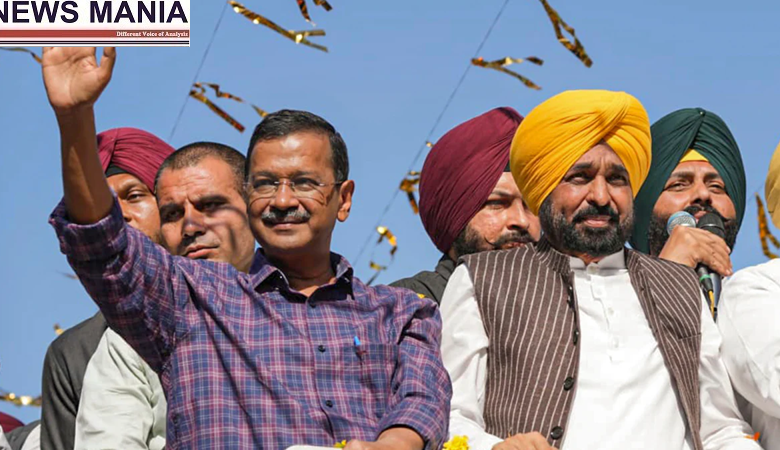
The results of Punjab’s recent municipal elections have provided a significant boost to the ruling Aam Aadmi Party (AAP), which succeeded in maintaining its political dominance across several urban local bodies. The outcome is being viewed as an indication that the party continues to enjoy substantial public support nearly four years after coming to power in the state.
AAP registered victories in multiple municipal corporations, municipal councils and nagar panchayats, strengthening its presence in urban areas and reaffirming its position as the leading political force in Punjab. The civic poll performance has given the party renewed confidence as it begins preparing for the 2027 Assembly elections.
Political observers note that the municipal elections served as an important test for all major parties in the state. While AAP managed to retain much of its voter base, opposition parties struggled to translate local discontent into electoral gains. The results highlighted the challenges facing the Congress, Shiromani Akali Dal (SAD) and Bharatiya Janata Party (BJP), all of which had hoped to use the civic polls as a platform to rebuild their political standing.
The Congress remained a key challenger in several constituencies and secured victories in a number of wards. However, its overall performance fell short of expectations, raising questions about its ability to emerge as a strong alternative to the ruling party. The Akali Dal, once a dominant force in Punjab politics, continued to face difficulties in regaining lost ground, while the BJP failed to make significant inroads despite efforts to expand its support base.
Independent candidates also played a notable role in the elections, securing victories in several areas and demonstrating that local issues and individual leadership continue to influence voter preferences at the grassroots level.
AAP leaders described the results as an endorsement of the government’s policies and development initiatives. They argued that voters had expressed confidence in the party’s governance model and welfare programmes. Opposition leaders, however, pointed to local factors and organisational challenges, maintaining that the results should not be viewed as a definitive indicator of future electoral outcomes. At the same time, they have underscored the urgent need for opposition parties to strengthen their strategies if they hope to mount a serious challenge in 2027.