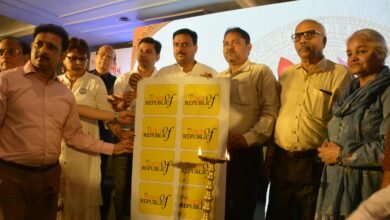
MSME Development (Amendment) Bill, 2026, passed by Parliament this month to address the long-standing issue of delayed payments to MSMEs
BUDDHADEB MISRA/ 19th August 2026

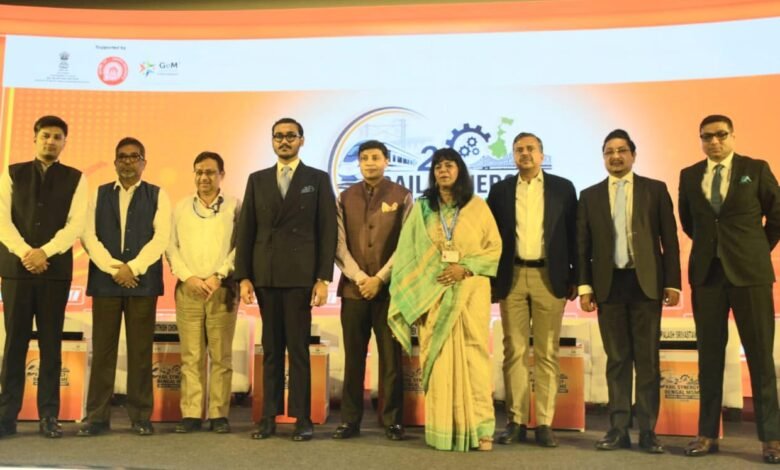
Eastern Railway is planning to have major capacity enhancement said Ms Gitika Pandey, General Manager, Eastern Railway at the 2nd edition of Rail Synergy & Bengal MSME Vendor Connect Summit 2026 in Kolkata. Creating additional capacity, improving the multi-tracking system, modernising railway yards and developing terminals are among the key priorities of the Railways. Ms Pandey announced that the Railways is poised to invest approximately ₹12,000 crore in the region in the coming years.
“Railways connect markets, people and aspirations,” said Ms Pandey, adding that a robust railway network would help reduce logistics costs, streamline supply chains and enhance the competitiveness of the manufacturing sector. She also urged MSMEs to focus on developing innovative products and cost-effective solutions to strengthen their contribution to the economy.
Talking about the transformative changes required, Mr Palash Srivastava, Deputy Managing Director, India Infrastructure Finance Company Ltd, emphasised the need for stronger value-chain financing and a renewed push towards a manufacturing boom. He also highlighted the “missing middle” in the existing ecosystem and stressed the importance of cluster-based financing and the development of community infrastructure to create a more robust and inclusive industrial ecosystem.
Mr P K Das, Director, MSME DFO, Kolkata, made the gathering aware of the MSME Development (Amendment) Bill, 2026, recently passed by Parliament, which seeks to address the long-standing issue of delayed payments to MSMEs. He also highlighted the key bottlenecks confronting the MSME ecosystem in the state, particularly in the areas of access to finance, technology, skill development and export markets.
Highlighting that India has the fourth-largest railway network in the world and is the second-largest rail freight carrier, Mr Sudipta Mukherjee, Managing Director, Texmaco Rail & Engineering Ltd, emphasised the need for long-term planning and a strategic vision from the government to further strengthen and expand the country’s railway infrastructure.
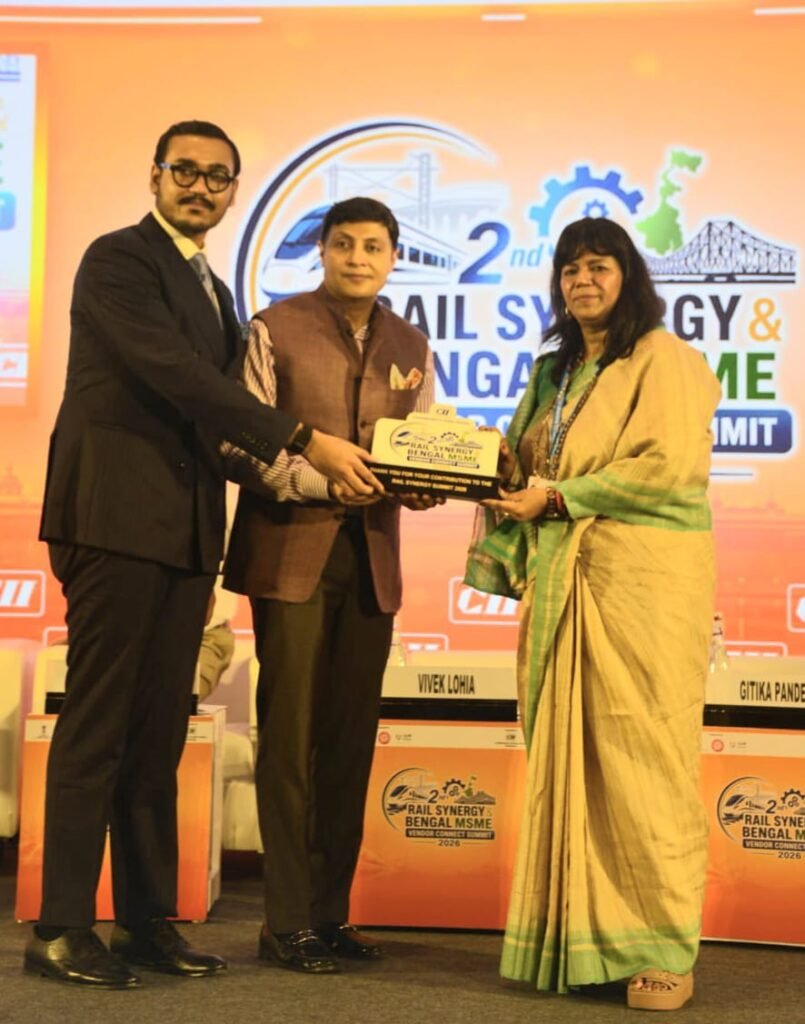
Outlining that around 6.5 lakh passengers travel on the Kolkata Metro every day, Mr Prem Sagar Gupta, General Manager, Metro Railway, Kolkata, said that the city currently has 57 operational Metro stations, with another 31 stations expected to become operational soon, further expanding Kolkata’s Metro network and connectivity.
“By 2030, the Indian Railways that we build together must be one that is globally competitive not just in track length or freight tonnage, but in reliability, turnaround time and the depth of the ecosystem supporting it,” said Mr Rahul Khaitan, Co- Chairman, CII West Bengal Railway Task Force & Managing Director, Rahee Infratech Ltd.
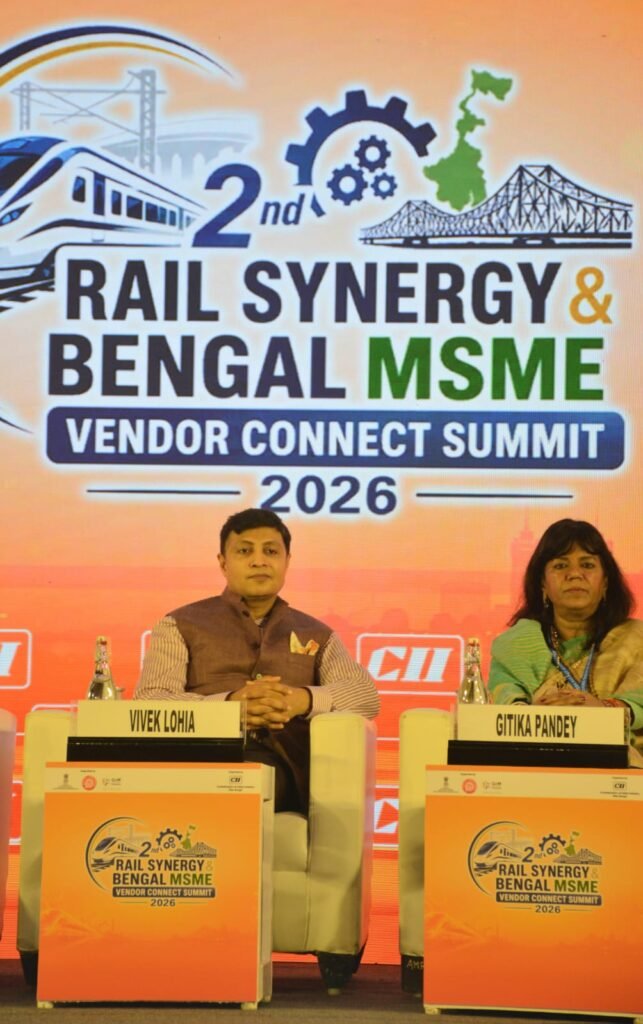
Mr Vivek Lohia, Chairman, CII West Bengal Railway Task Force & Managing Director Jupiter Wagons Ltd highlighted that the availability of a skilled workforce, proximity to mines and mineral resources, and the presence of freight corridors are key factors driving West Bengal’s potential for further industrial growth. The summit witnessed participation from major stakeholders across the region and facilitated meaningful business interactions by connecting vendors with industry and government representatives through B2B and B2G meetings.