
When Celebrity Endorsements Make Consumers Stop Thinking
News Mania Desk/ 2nd September 2026

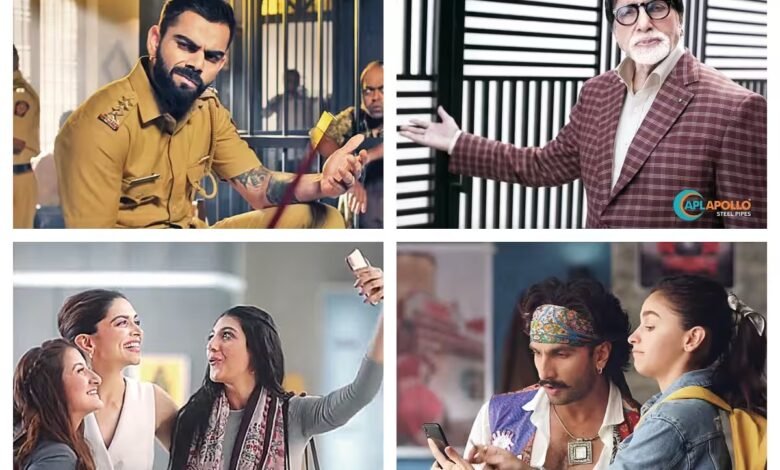
The reported investigation by the Food and Drug Administration into advertisements for Vimal Elaichi, including the questioning of three actors and the demand for their contracts, has opened a larger debate—one that goes far beyond a particular brand or a few celebrities.
The real question is: why does an advertisement featuring a popular face have such extraordinary power over an ordinary consumer?
Celebrity advertising works because it quietly borrows trust. A familiar actor, cricketer or public figure appears on the screen, smiles, speaks with confidence, and suddenly a commercial message begins to feel like a personal recommendation. The consumer may know intellectually that it is an advertisement, yet the emotional connection with the celebrity can weaken critical thinking.
This is where the danger lies.
Advertising is supposed to inform and persuade, but when popularity becomes a substitute for credibility, consumers can stop asking basic questions: What exactly am I buying? Is it safe? What does the product actually contain? Is the celebrity genuinely using it, or simply being paid to promote it?
The growing controversy around surrogate or indirect promotion makes this issue even more important. A product may use a seemingly harmless category, image or flavour while creating associations with a product whose advertising may face restrictions. If popular faces become the vehicle for such messaging, the line between legitimate advertising and clever circumvention becomes increasingly blurred.
But celebrities cannot be the only ones held responsible. Brands, advertising agencies, production houses, endorsers and regulators all have a role. A celebrity’s contract should not become a shield behind which responsibility disappears.
The consumer, too, must reclaim the power of questioning.
A famous face is not a safety certificate. A superstar’s smile is not scientific evidence. Popularity is not proof of quality.
Perhaps the greatest lesson from this controversy is that advertisements should capture our attention—but they should never be allowed to switch off our judgment.
In an age where celebrity influence can reach millions within seconds, responsible advertising is no longer merely an industry obligation. It is a public-interest responsibility.
And perhaps it is time for every consumer to remember one simple rule: Don’t buy a message merely because you trust the messenger.