Donald Trump Pauses ‘Project Freedom’ After Saudi Concerns Over Gulf Escalation
News Mania Desk/ Piyal Chatterjee/8th May 2026

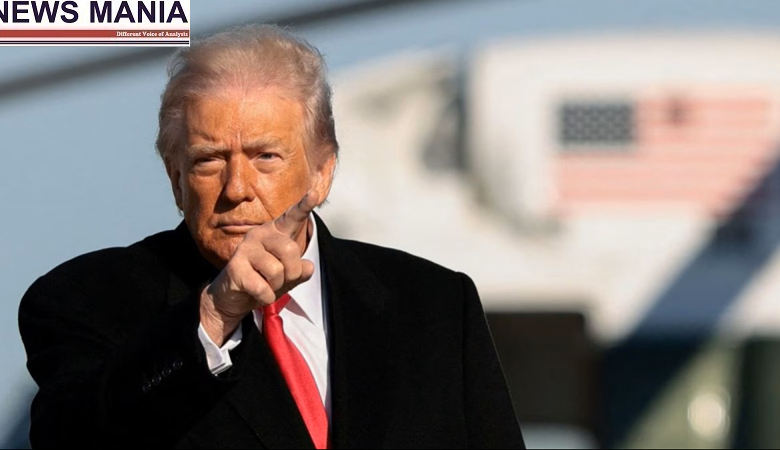
US President Donald Trump has temporarily suspended “Project Freedom,” a major American initiative aimed at securing commercial shipping routes through the Strait of Hormuz, following resistance from key Gulf allies led by Saudi Arabia. The decision comes amid rising regional tensions linked to the ongoing confrontation involving Iran, the United States and its allies.
Project Freedom was designed as a US-led maritime security operation intended to escort commercial vessels through the Strait of Hormuz after increasing instability disrupted one of the world’s most important energy corridors. The route is critical for global oil transportation, and prolonged tensions in the region have already affected shipping activity, energy markets and international trade.
According to reports, the United States planned to use military escorts and regional bases to ensure the safe movement of stranded or delayed commercial ships through the strategic waterway. However, the initiative reportedly encountered immediate diplomatic obstacles after Saudi Arabia expressed concerns that the operation could intensify military confrontation with Iran and draw Gulf nations deeper into the crisis.
Reports suggest Saudi authorities restricted access to certain military bases and airspace needed for the operation, complicating American plans. Riyadh is believed to have favoured a more cautious diplomatic approach rather than direct military escalation. The disagreement reportedly exposed growing differences between Washington and some of its Gulf allies over how to respond to the deteriorating security situation in the region.
A phone conversation between Trump and Saudi Crown Prince Mohammed bin Salman reportedly failed to fully resolve the issue, leading the US administration to pause the mission temporarily. Despite the suspension, the White House maintained that discussions with regional partners and diplomatic engagement with Iran were continuing.
The Strait of Hormuz remains at the centre of the ongoing crisis. The narrow waterway handles a large portion of the world’s oil exports, making any disruption in the region a major concern for global economies. In recent weeks, commercial shipping traffic has slowed significantly following missile attacks, drone threats and military confrontations involving Iran and Western forces.
Although Project Freedom reportedly helped a limited number of vessels pass through the route before being halted, maritime activity in the area continues to remain below normal levels due to security concerns. Shipping companies and international energy markets are closely monitoring developments amid fears of further escalation.
The latest developments have also highlighted differences among Gulf nations regarding regional security strategy. While Saudi Arabia reportedly advocated restraint and diplomacy, the United Arab Emirates has adopted a stronger security posture after recent missile and drone attacks targeted locations within its territory. Analysts believe these differing approaches have complicated efforts by the United States to build a unified regional response.
Meanwhile, diplomatic negotiations between Washington and Tehran are continuing behind closed doors. Trump stated that progress had been made toward a possible understanding with Iran, though no formal agreement has yet been announced. Reports suggest ongoing talks are focused on maritime security, ceasefire arrangements and broader regional stability.
Despite the temporary suspension of Project Freedom, American officials have not ruled out restarting the operation if tensions escalate further or diplomatic efforts fail. Some reports indicate that certain Gulf allies may reconsider earlier restrictions on US military access if regional threats continue to increase.
The pause in the operation reflects the growing complexity of the Gulf crisis and underscores the challenges facing the United States as it attempts to balance military strategy, diplomatic negotiations and relations with regional allies in one of the world’s most strategically sensitive regions.