
Hantavirus Cases on Cruise Ship Trigger Health Alert as Investigation Continues
News Mania Desk/ Piyal Chatterjee/5th May 2026

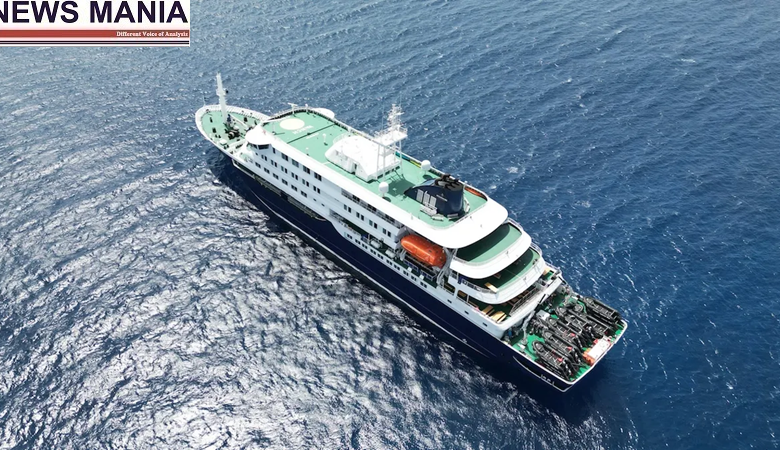
An outbreak of Hantavirus infection aboard a cruise vessel in the Atlantic has raised international concern, after several passengers became ill and multiple deaths were reported, prompting an urgent response from global health authorities. The ship, MV Hondius, has remained at sea near Cape Verde as officials work to manage the situation and prevent further spread. Passengers and crew members from various countries are among those affected, with confirmed fatalities and additional suspected infections still being examined.
Health experts say hantavirus is typically transmitted through exposure to infected rodent droppings, urine, or saliva. Symptoms can initially resemble common viral illnesses, including fever, muscle aches, and fatigue, but in severe cases may progress rapidly into serious respiratory complications. Some of the patients onboard reportedly experienced worsening conditions within a short period, underscoring the seriousness of the disease.
Among those affected were elderly travelers, including a European couple who fell ill during the journey. Their condition deteriorated despite medical attention, and they later died. Another passenger also succumbed to the illness, while at least one individual was evacuated for urgent treatment and remains in critical condition at a medical facility.
The voyage had begun in South America and included stops in remote regions, leading investigators to consider whether the virus was contracted before boarding. Certain parts of the continent are known to have strains of hantavirus, and exposure may have occurred during earlier stages of travel. Authorities are working to trace the origin of the infection and determine how it spread among those onboard.
A key concern for health officials is whether any form of person-to-person transmission took place. While hantavirus is generally not contagious between humans, rare exceptions involving specific strains have been documented. Investigators are closely monitoring interactions among passengers to assess whether such transmission could have contributed to the outbreak. In response, strict containment measures have been implemented on the ship. Many passengers have been asked to remain in their cabins, while medical teams conduct screenings and monitor for symptoms. Those showing signs of illness are being isolated, and efforts are underway to arrange safe evacuations where necessary.
Attempts to allow the vessel to dock have been complicated by concerns from port authorities. Access to nearby ports has been limited as officials weigh the risks of introducing the virus to local populations. Discussions continue identifying a suitable location where passengers can disembark safely under controlled conditions.
The World Health Organization has been closely monitoring the situation and coordinating with national authorities. While the outbreak is serious, the agency has indicated that the overall risk to the global population remains low, noting that hantavirus infections require specific exposure conditions and are not easily spread in typical circumstances.
Ongoing investigations include laboratory testing and epidemiological analysis aimed at understanding the scope of the outbreak. Health teams are also reviewing onboard conditions and travel histories to identify any contributing factors. As efforts continue to contain the outbreak, the situation remains under close observation, with further updates expected as more information becomes available.