Harvard Study Finds AI Rivals Doctors in Emergency Room Diagnoses
News Mania Desk/ Piyal Chatterjee/ 4th May 2026

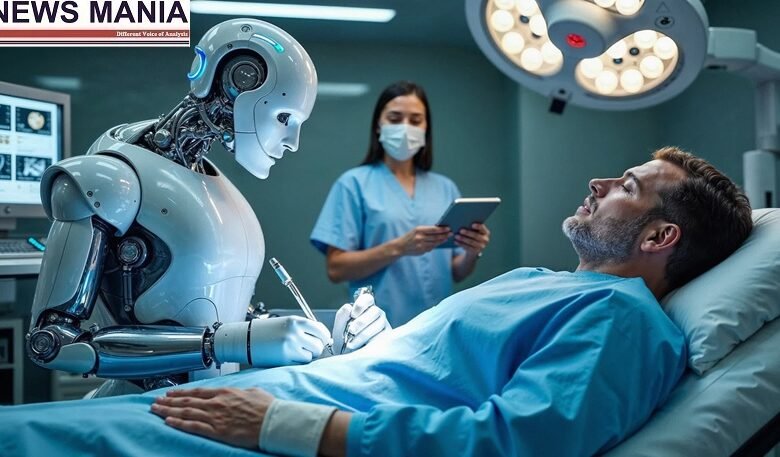
A recent study by researchers from Harvard University has found that artificial intelligence systems can match—and in some cases outperform—human doctors in diagnosing patients in emergency room settings, highlighting the growing role of AI in healthcare.
The research, published in the journal Science, assessed how advanced AI models performed when compared with trained physicians using real-world emergency department cases. In one part of the study, both AI systems and doctors were given identical patient data, including symptoms, vital signs and brief medical histories, and asked to determine likely diagnoses.
The findings showed that AI achieved higher diagnostic accuracy than doctors in several scenarios. In cases where limited information was provided, the AI outperformed physicians by identifying correct diagnoses more frequently. Its performance improved further when additional patient data was included, demonstrating its ability to process and analyse complex medical information efficiently.
Beyond diagnosis, the study also examined treatment planning. Researchers found that AI systems were often better at generating structured and comprehensive care plans for patients, suggesting potential benefits in clinical decision-making and long-term care strategies.
However, experts cautioned that the findings should not be interpreted as AI replacing doctors. The study was conducted using text-based clinical data, meaning the AI was not tested on important real-world aspects such as physical examinations, visual cues or patient interactions. These elements remain critical in medical practice and require human judgement and empathy.
Researchers emphasised that AI should be used as a support tool rather than a substitute for healthcare professionals. They suggested a collaborative approach in which doctors, patients and AI systems work together to improve diagnostic accuracy and patient outcomes, especially in high-pressure environments like emergency rooms.
At the same time, the study raises important questions about safety, accountability and the need for proper regulation. Experts have called for further trials and safeguards to ensure that AI technologies are implemented responsibly in clinical settings.