
Study Warns Deep Ocean Heat Shifting Toward Antarctica Could Trigger Rapid Sea-Level Rise
News Mania Desk/ Piyal Chatterjee/28th April 2026

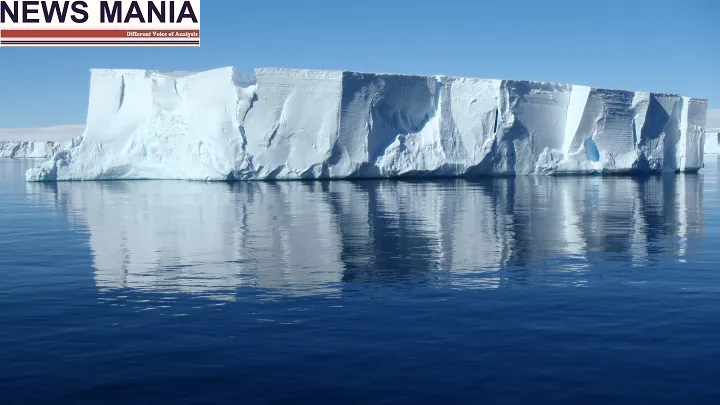
A recent scientific study has raised alarm over the movement of deep ocean heat toward Antarctica, warning that the phenomenon could accelerate ice melt and significantly increase global sea levels in the years ahead.
Researchers have found that a mass of relatively warm water, known as Circumpolar Deep Water, has been gradually advancing closer to the Antarctic continental shelf over the past two decades. This shift, driven by changing ocean currents and climate patterns, is bringing heat into closer contact with the continent’s vulnerable ice shelves.
Scientists caution that this development poses a serious threat to the stability of Antarctica’s ice formations. Ice shelves act as natural barriers, slowing the flow of inland glaciers into the ocean. However, when warmer water reaches these shelves from below, it can cause melting at their base, weakening their structure and increasing the likelihood of collapse.
If these ice shelves were to break apart, glaciers behind them could flow more rapidly into the sea, contributing to a sharp rise in global sea levels. Experts emphasize that even small changes in ocean temperature and circulation can have significant consequences due to the vast amount of ice stored in Antarctica.
The study highlights that much of the excess heat generated by global warming is absorbed by the oceans, making deep ocean warming a critical but often overlooked factor in climate change. As this heat redistributes and moves toward polar regions, its impact on ice sheets becomes more pronounced.
Researchers say the findings will help refine climate models and improve predictions related to future sea-level rise. However, they also stress the urgency of reducing greenhouse gas emissions to slow the warming process. With Antarctica playing a crucial role in regulating global sea levels, scientists warn that continued warming could have far-reaching consequences for coastal regions around the world.