Pakistan to Boycott India Clash at T20 World Cup in Support of Bangladesh
News Mania Desk /Piyal Chatterjee/ 5th February 2026
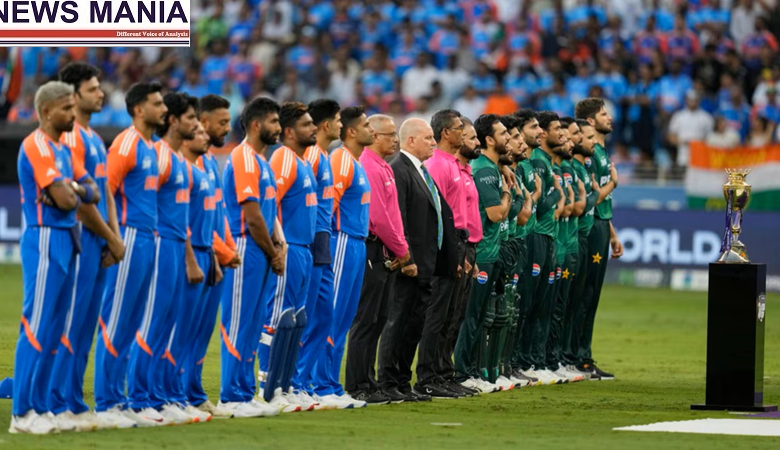
Pakistan will not play its scheduled group-stage match against India at the ICC Men’s T20 World Cup 2026, with Prime Minister Shehbaz Sharif confirming that the decision has been taken to show solidarity with Bangladesh. The move has added a fresh layer of controversy to the global tournament and reignited debate over the intersection of politics and international sport.
Addressing members of his cabinet, Sharif described the boycott as an “appropriate and principled decision,” stressing that Pakistan stood firmly with Bangladesh amid ongoing tensions surrounding the tournament. He said the government believed it was important to support Bangladesh, which was excluded from the competition after declining to travel due to security concerns and was subsequently replaced in the lineup.
The highly anticipated India–Pakistan encounter, scheduled to take place in Colombo later this month, was expected to be one of the marquee fixtures of the World Cup. Pakistan’s refusal to participate means the match will not be played, with implications for group standings as well as commercial and broadcast interests tied to the tournament.
Pakistan’s cricket authorities have indicated that the decision was made at the government level, leaving players and team management with little say in the matter. Team representatives have acknowledged that while the squad remains focused on its campaign, it will abide by official directives regarding fixtures involving India. Pakistan is set to continue participating in its remaining matches in the tournament.
The International Cricket Council has expressed concern over the development, noting that selective participation could undermine the integrity of a global event. The governing body is understood to be examining the potential consequences of the boycott under tournament regulations. Meanwhile, Bangladesh has welcomed Pakistan’s public show of support, describing it as a significant gesture during a contentious period.