
Explained: What White Phosphorus Is and Why Its Use in War Is Controversial
News Mania Desk /Piyal Chatterjee/9th March 2026
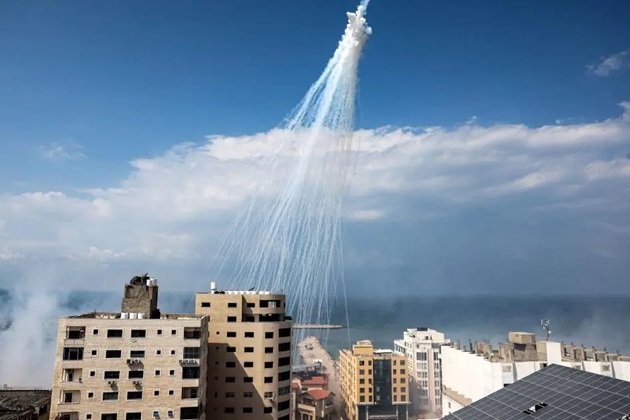
The use of white phosphorus in armed conflict has once again come under global scrutiny amid allegations of its deployment in recent fighting involving Israel and Lebanon. Human rights groups and international observers have raised concerns about the devastating impact the chemical can have when used near civilian areas.
White phosphorus is a chemical substance widely used in military operations for its ability to ignite on contact with oxygen and produce dense white smoke. Because of this property, it is commonly used to create smoke screens that conceal troop movements, illuminate battlefields, or mark targets during combat operations. However, the substance can also function as an incendiary weapon, capable of causing severe fires and injuries.
When white phosphorus comes into contact with human skin, it burns intensely and can continue burning until the chemical is deprived of oxygen. These burns are extremely severe and difficult to treat, as the substance can penetrate deep into tissues. Inhaling its smoke can also cause serious respiratory damage, making it particularly dangerous in populated areas.
Although white phosphorus is not completely banned under international law, its use is heavily restricted. International humanitarian law prohibits the use of incendiary weapons in civilian areas if they could cause indiscriminate harm. As a result, deploying such munitions near residential zones can potentially violate the laws of war.
The latest controversy surrounding the weapon stems from accusations that Israeli forces used artillery shells containing white phosphorus over villages in southern Lebanon during ongoing regional tensions. Rights groups argue that such use could endanger civilians and damage homes and farmland. The allegations have renewed calls for stricter oversight and accountability in the use of incendiary weapons during modern conflicts.