Opposition Motion Against Speaker Defeated by Voice Vote in Lok Sabha
News Mania Desk/ Piyal Chatterjee/ 11th March 2026

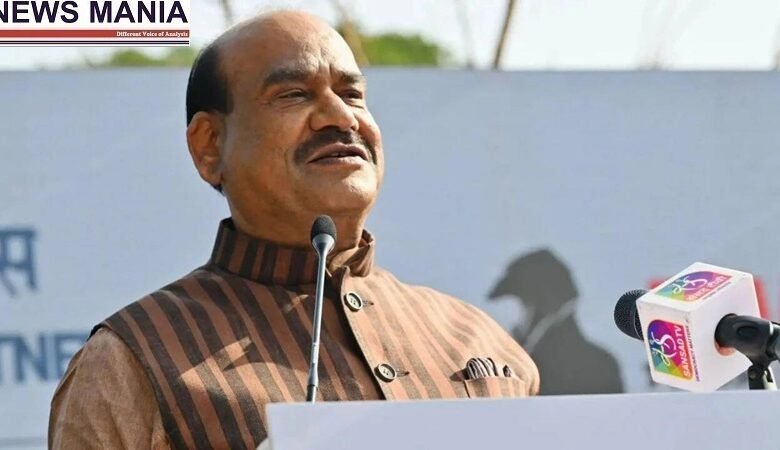
The Lok Sabha on Tuesday rejected a motion moved by opposition parties seeking the removal of Speaker Om Birla, with the proposal being defeated through a voice vote after hours of heated debate. The motion was brought during the ongoing Budget Session of the Indian Parliament and triggered a sharp exchange between the ruling alliance and opposition benches.
Opposition members alleged that the Speaker had conducted proceedings in a partisan manner and had repeatedly curtailed their opportunities to raise key issues in the House. Leaders from several opposition parties argued that the Chair had disproportionately favored the government during debates and had interrupted opposition members during discussions on important national matters.
Moving the motion, opposition MPs maintained that the Speaker is expected to function in a neutral capacity and safeguard the rights of all members of the House. They claimed that recent parliamentary proceedings had shown a pattern of decisions that undermined this principle.
The government and members of the ruling coalition strongly opposed the motion and defended the Speaker’s conduct. Senior ministers argued that the motion was politically motivated and was aimed at disrupting parliamentary functioning rather than addressing genuine concerns. They also said that such attempts risk eroding the dignity of parliamentary institutions.
During the debate, members from both sides presented arguments regarding parliamentary conventions and the role of the Speaker. The discussion continued for several hours before the motion was put to a voice vote. As the majority of members supported the government’s position, the motion was defeated
With the defeat of the motion, Om Birla continues to serve as Speaker of the Lok Sabha. The development underscores the numerical strength of the ruling alliance in the lower house of Parliament. Parliamentary proceedings have witnessed repeated confrontations, reflecting the broader political contestation between the two sides over legislative priorities and the conduct of parliamentary business.