

UK Chief of the Air Staff Visits India to Strengthen Defence Cooperation
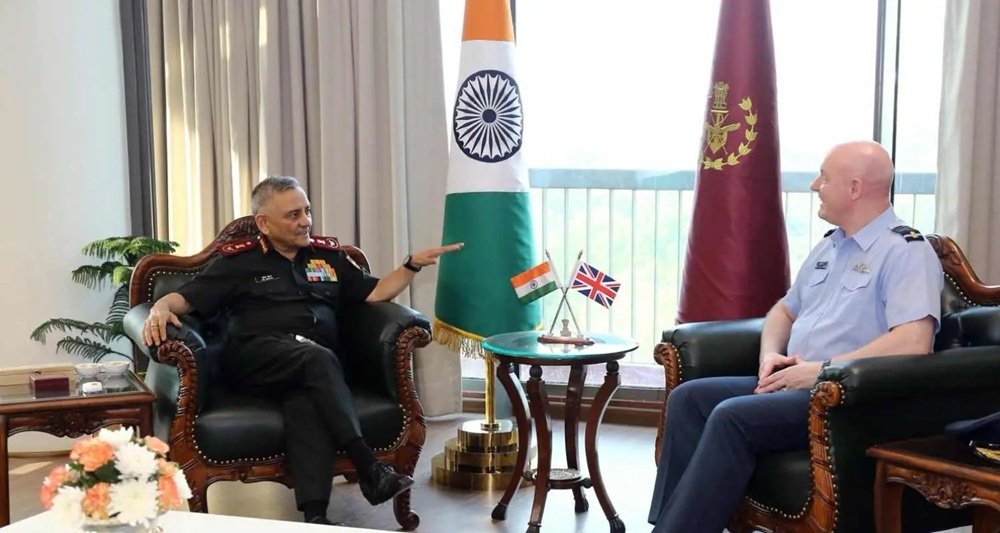
The Chief of the Air Staff of the Royal Air Force, Air Chief Marshal Sir Harv Smyth, is on a three-day official visit to India to enhance military cooperation and deepen defence ties between the two countries amid evolving security challenges.The visit began with a tribute to fallen soldiers at the National War Memorial, followed by a Guard of Honour by the Indian Air Force(IAF). During the visit, Air Chief Marshal Smyth held discussions with Air Chief Marshal Amar Preet Singh on strengthening collaboration between the two air forces through joint training, operational cooperation, and knowledge exchange.Earlier this year, the UK and India signed an agreement under which three IAF Qualified Flying Instructors will be deployed to RAF Valley, the UK’s fast jet training base, building on existing cooperation that includes an IAF instructor at RAF College Cranwell.As part of the visit, both Air Chiefs are also scheduled to travel to Air Force Station Gwalior to gain insights into IAF operations and best practices in addressing modern aerial threats.This visit marks the fourth senior UK military engagement in India in 2026, highlighting the growing strategic partnership between the two nations.
US–Iran Tensions Escalate Amid Conflicting Claims on Talks and Military Build-Up

The ongoing conflict between the United States and Iran has intensified, marked by a mix of diplomatic claims and rising military activity.President Donald Trump has asserted that backchannel talks with Iran are underway and suggested that progress is being made toward ending hostilities. He indicated that negotiations involve key officials and hinted at possible agreements related to energy and broader conflict resolution. However, Iran has firmly denied these claims, dismissing them as inaccurate and accusing the US of “negotiating with itself.” Iranian officials have expressed deep mistrust, citing continued military strikes and past actions as barriers to genuine diplomacy. Meanwhile, the conflict continues to escalate on the ground, with ongoing airstrikes, retaliatory actions, and an increased US military presence in the region. The situation has significantly disrupted global energy markets, raising concerns about supply shocks and threats to key infrastructure. The stark contrast between diplomatic rhetoric and military escalation highlights the fragile and uncertain path toward any potential resolution.
Middle East Conflict Triggers Fuel Crisis Amid Strike on Kuwait Airport
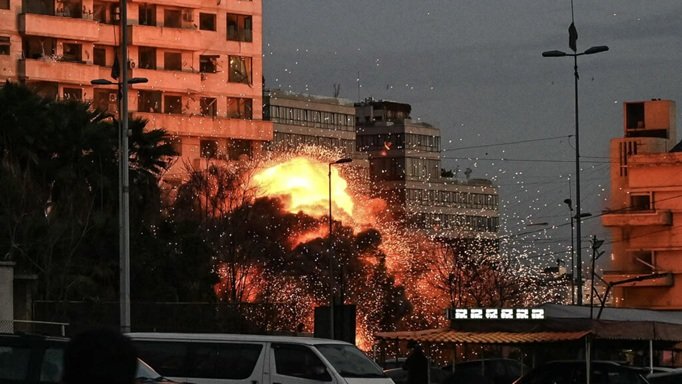
The escalating conflict in West Asia has intensified the global energy crisis, with direct attacks on critical infrastructure disrupting fuel supplies across the region.A recent drone strike hit a fuel storage tank at Kuwait International Airport, sparking a fire and highlighting the growing vulnerability of key energy facilities. Authorities confirmed that emergency teams quickly contained the blaze, with initial reports indicating material damage but no casualties. The incident is part of a broader pattern of attacks targeting oil and energy infrastructure amid the ongoing US–Iran conflict, raising serious concerns over supply disruptions. Gulf nations have already begun reducing oil output, with fears that instability around critical routes like the Strait of Hormuz could further strain global energy markets. Experts warn that continued strikes could push fuel prices higher and trigger wider economic consequences, including supply shortages and inflationary pressures worldwide. The situation underscores how geopolitical tensions are increasingly impacting global energy security and economic stability.
South Asia Faces Severe Air Pollution Crisis, Global Rankings Highlight Alarming Trends

South Asia continues to grapple with a worsening air pollution crisis, with recent reports identifying Pakistan and Bangladesh as the most polluted countries in the world. The findings also reveal that India is home to five of the world’s most polluted cities, underscoring the region’s critical environmental challenges.
Experts attribute the crisis to rapid urbanization, vehicular emissions, industrial pollution, and seasonal factors such as crop burning. Poor air quality has emerged as a major public health concern, contributing to respiratory illnesses, reduced life expectancy, and increased healthcare burdens.
Governments across the region have initiated measures to curb pollution, including stricter emission norms and clean energy initiatives. However, environmentalists stress that stronger policy implementation, regional cooperation, and public awareness are essential to address the crisis effectively.
The situation highlights the urgent need for sustainable development strategies to safeguard both public health and the environment
Airspace Disruptions Trigger Travel Chaos Across Asia
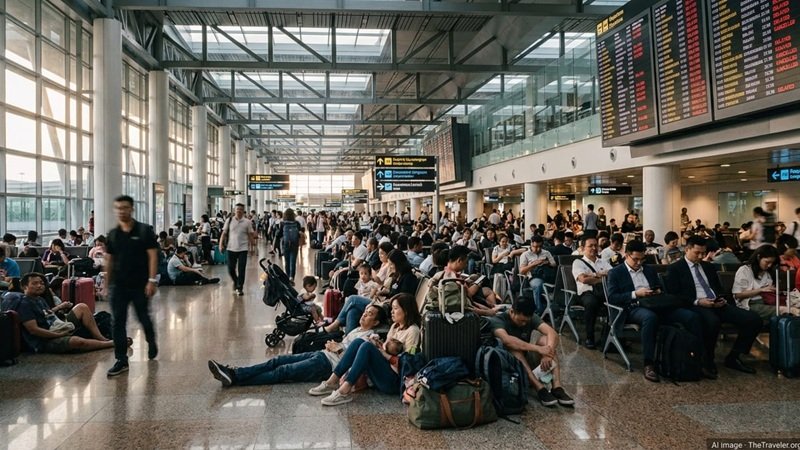
Widespread disruption has hit air travel across Asia, with thousands of flights delayed or cancelled in countries including Japan, China, Thailand, and India due to ongoing airspace issues.
Airlines have been forced to reroute or ground flights as restrictions and operational challenges impacted key aviation corridors. Major airports reported long queues, missed connections, and stranded passengers, leading to widespread inconvenience and uncertainty.
Authorities are working to manage the situation, but the scale of disruption has affected both domestic and international travel schedules. Aviation experts warn that continued instability in regional airspace could further impact global connectivity and airline operations.
Passengers have been advised to check flight statuses in advance and remain in contact with airlines for updates. The situation highlights the vulnerability of global aviation networks to geopolitical and operational disruptions.