Iran Threatens Prolonged Retaliation if US Resumes Military Strikes
News Mania Desk/ Piyal Chatterjee/1st May 2026

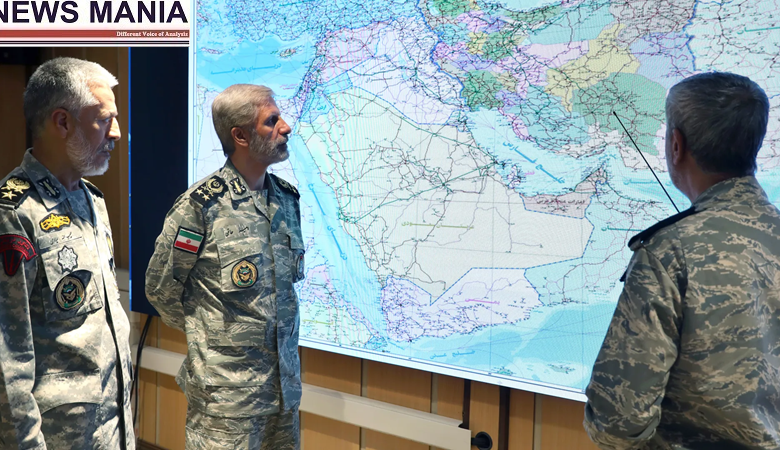
Iran has issued a stern warning to the United States, cautioning that any renewed military attacks would provoke a “long and painful” response, significantly escalating tensions in an already volatile region. The warning comes despite a fragile ceasefire that has temporarily halted direct hostilities between the two countries.
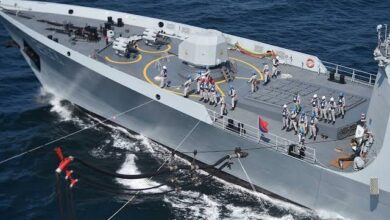
Senior Iranian officials emphasized that even limited or targeted strikes by Washington would not go unanswered. They indicated that Tehran is prepared to respond with sustained and potentially widespread retaliation, targeting US military assets and strategic interests across the Gulf region. The remarks highlight Iran’s determination to deter further aggression and signal its readiness for a prolonged confrontation if necessary.
The tensions stem from a series of military exchanges earlier this year, which brought the two nations dangerously close to a broader conflict. Although a ceasefire was reached in April, it has done little to ease underlying hostilities. Iranian leaders have continued to express deep mistrust of US intentions, accusing Washington of maintaining pressure through military positioning and economic restrictions even after the halt in direct strikes.
A central point of contention remains the Strait of Hormuz, a critical global oil transit route. Iran has reiterated its influence over the waterway and opposed US-backed initiatives aimed at ensuring unrestricted passage through the strait. Any disruption in this narrow maritime corridor could have far-reaching consequences for global energy markets, as a significant share of the world’s oil supply passes through it.
Iranian officials have also criticized US actions in the region, describing them as continued provocations that undermine the ceasefire. They argue that measures such as port restrictions and the presence of US forces near Iranian waters amount to ongoing hostility. From Tehran’s perspective, these actions justify maintaining a strong defensive posture and readiness to retaliate if provoked.
On the other side, the United States has not ruled out further military options, maintaining that it will act to protect its interests and allies in the region. This has contributed to an atmosphere of uncertainty, with both sides exchanging warnings while attempting to avoid a direct escalation into full-scale conflict.
Analysts suggest that Iran’s strong rhetoric serves multiple purposes. It acts as a deterrent against potential US strikes, reassures domestic audiences of the government’s resolve, and reinforces Tehran’s strategic position in regional geopolitics. However, such statements also raise concerns about the risk of miscalculation, where even a minor incident could spiral into a larger confrontation.
The ongoing standoff carries significant global implications. Any escalation could disrupt oil supplies, trigger sharp increases in energy prices, and destabilize already fragile economies. Countries dependent on Gulf oil exports are particularly vulnerable to any conflict affecting the Strait of Hormuz.
While diplomatic efforts continue behind the scenes, progress has been limited. The ceasefire remains in place for now, but the latest developments underscore its fragility. With both sides maintaining firm positions and warning of severe consequences, the situation remains tense and unpredictable, leaving the international community closely watching for any signs of escalation.