Democrats Take Control Of US Congress: What The Midterm Election Results Mean For India
News Mania Desk/ Piyal Chatterjee/ 4th November 2026

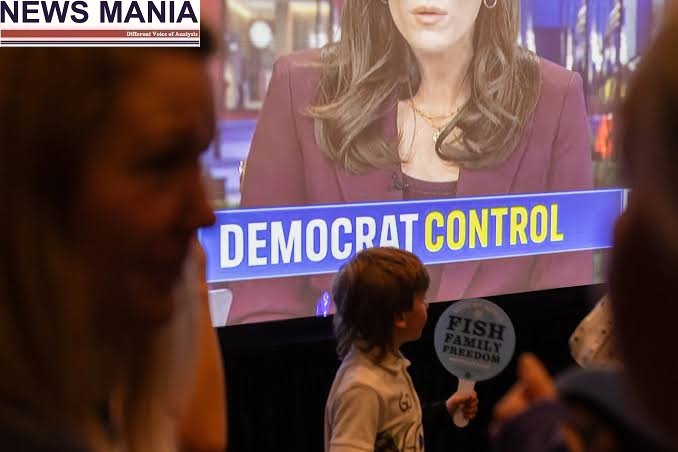
The Democratic Party has secured control of both chambers of the US Congress following the 2026 midterm elections, dealing a significant political setback to President Donald Trump and potentially reshaping the direction of American domestic and foreign policies. The outcome could also have important implications for India-US relations, particularly in areas such as trade, immigration, tariffs and defence cooperation.
The Democrats gained five seats in the Senate and made substantial advances in the House of Representatives, giving the party greater influence over legislative proceedings and congressional oversight. The results are being viewed as a setback for Trump’s Republican administration, with voters reportedly expressing concerns over rising living costs, trade policies and the administration’s military campaign against Iran.
For India, one of the most immediate areas of concern could be bilateral trade relations. The United States remains a major export destination for Indian goods, and changes in Washington’s trade policy can have significant consequences for Indian manufacturers and exporters. Democratic lawmakers could push for greater scrutiny of Trump’s tariff decisions, potentially influencing discussions surrounding duties imposed on foreign imports.
The election outcome could also affect the proposed India-US trade agreement. Increased congressional oversight may bring additional attention to negotiations involving market access, tariffs and trade barriers. However, the extent to which Democrats can influence the agreement will depend on the administration’s approach and the legislative powers available to Congress.
Another important issue concerns H-1B visas and US immigration policy. Thousands of Indian professionals work in the United States under the H-1B programme, particularly in the technology sector. A Democratic-controlled Congress could reopen discussions on immigration reforms and employment-based visa regulations. However, the election results do not automatically change existing visa conditions or reverse policies introduced by the Trump administration.
The shift in congressional power could also influence India-US defence cooperation. Democratic lawmakers may seek greater oversight of American foreign policy decisions, including military engagements and international security commitments. Such scrutiny could affect discussions on defence partnerships, strategic technology cooperation and regional security in the Indo-Pacific.
Despite gaining control of both chambers, Democrats will not have unrestricted authority over American policymaking. The US President retains executive powers, including the ability to veto legislation. Senate procedures could also make it difficult to pass major bills without broader support. The election results therefore create a changed political environment for Washington and its international partners. For India, the developments will be particularly significant as New Delhi continues to strengthen its economic and strategic partnership with the United States. While the Democratic victory could increase scrutiny of Trump’s policies, its actual impact on India-US diplomatic and economic ties will depend on future congressional decisions and the administration’s response.