Bangladesh Closes Sundarbans for Three Months to Safeguard Biodiversity
News Mania Desk/ Piyal Chatterjee/4th June 2026

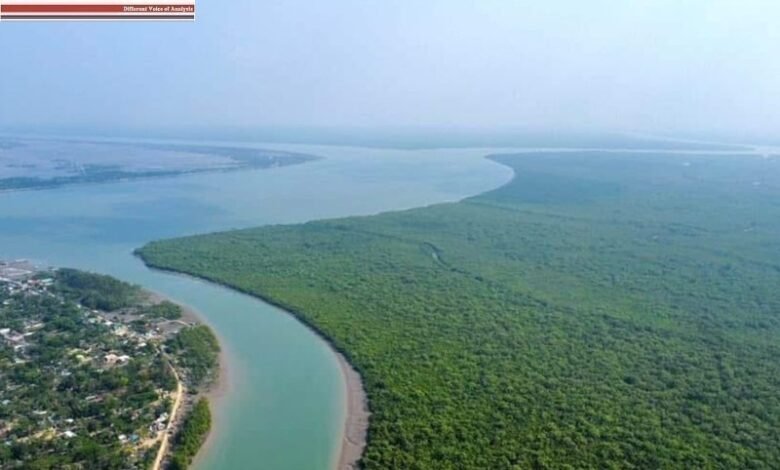
The Bangladesh government has enforced a three-month ban on entry into the Sundarbans, the world’s largest mangrove forest, in a bid to protect its fragile ecosystem and support the breeding season of wildlife and aquatic species. The restriction came into effect on June 1 and will remain in place until August 31, covering a period considered critical for the regeneration of the forest’s biodiversity.
Under the order, tourists, fishermen, honey collectors, crab harvesters and wood gatherers are prohibited from entering the forest. Authorities have suspended the issuance of all permits and passes during the closure period, warning that strict legal action will be taken against violators.
Forest officials said the temporary shutdown is designed to minimize human disturbance during a crucial time when many fish species spawn, wildlife breeds and plant seeds germinate. Conservation experts believe the absence of boat traffic and other human activities will provide a safer environment for animals and allow natural habitats to recover.
The Sundarbans, a UNESCO World Heritage Site, is home to a rich variety of flora and fauna, including the endangered Bengal tiger. Officials argue that annual restrictions are necessary to maintain ecological balance and ensure the long-term sustainability of the forest’s resources.
While environmentalists have welcomed the move, the ban has raised concerns among local communities that depend heavily on the forest for their livelihoods. Thousands of fishermen, honey collectors and tourism-related workers are expected to face financial difficulties during the three-month closure. Many have expressed fears about losing income and struggling to support their families.
In response, local residents and business operators have urged the government to introduce relief measures and financial assistance for affected workers. Authorities said relevant departments are exploring ways to support communities impacted by the restriction.
The annual closure forms part of Bangladesh’s broader conservation strategy aimed at preserving the Sundarbans’ unique ecosystem and ensuring the sustainable growth of its wildlife, fisheries and forest resources for future generations.