
Why UK Roads Melt at 40°C While Indian Highways Endure Extreme Summer Heat
News Mania Desk/ Piyal Chatterjee/ 3rd July 2026

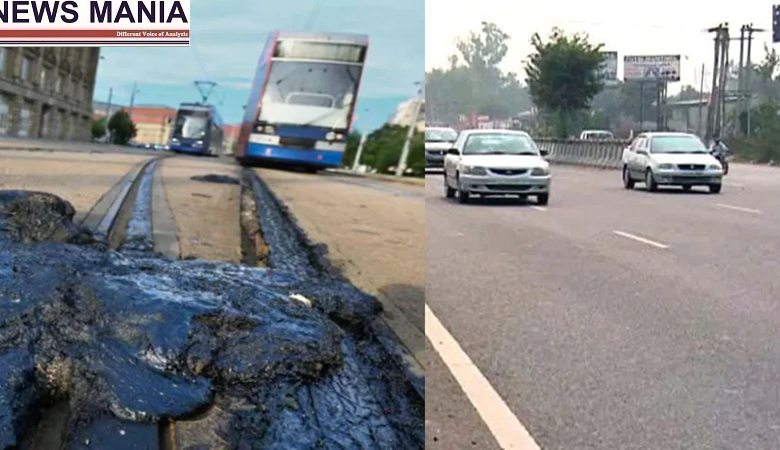
eThe recent heatwaves across the United Kingdom have once again highlighted a striking contrast in road performance, with highways softening and developing surface damage at temperatures around 40°C, while roads in India routinely withstand summer temperatures exceeding 50°C. Experts say the difference lies not in construction quality but in the way road infrastructure is designed to suit local climatic conditions.
Roads in the UK are primarily built to cope with long, cold winters rather than extreme heat. Engineers typically use softer grades of bitumen and hot-rolled asphalt that remain flexible during freezing temperatures. This flexibility helps prevent cracks caused by repeated freeze-thaw cycles and ensures the durability of road surfaces throughout the winter months.
However, when temperatures rise well above normal levels during rare heatwaves, the softer bitumen begins to lose its rigidity. As a result, road surfaces can soften under the weight of heavy vehicles, leading to deformation, rutting and what is commonly described as roads “melting.” Authorities often impose temporary speed restrictions and carry out emergency repairs to minimise further damage during such weather events.
In contrast, India’s road network is specifically engineered to withstand prolonged periods of intense heat. Highways across the country are generally constructed using harder grades of bitumen, such as VG-30 and VG-40, along with larger aggregates that provide greater resistance to softening. These materials enable roads to maintain their structural integrity even when temperatures exceed 45°C or 50°C during peak summer months.
Indian roads are also designed to handle heavy traffic loads under extreme weather conditions, making them better equipped to endure high surface temperatures without significant damage. Engineers prioritise heat resistance during construction, reflecting the country’s climatic requirements.