US Sees Possible Deal to Reopen Strait of Hormuz Amid Shipping Crisis
News Mania Desk/ Piyal Chatterjee/ 4th August 2026

The United States could reach an agreement with Iran as early as Tuesday or Wednesday to restore freedom of movement through the strategically vital Strait of Hormuz, US Treasury Secretary Scott Bessent said, raising hopes of an easing in a crisis that has disrupted global energy markets.
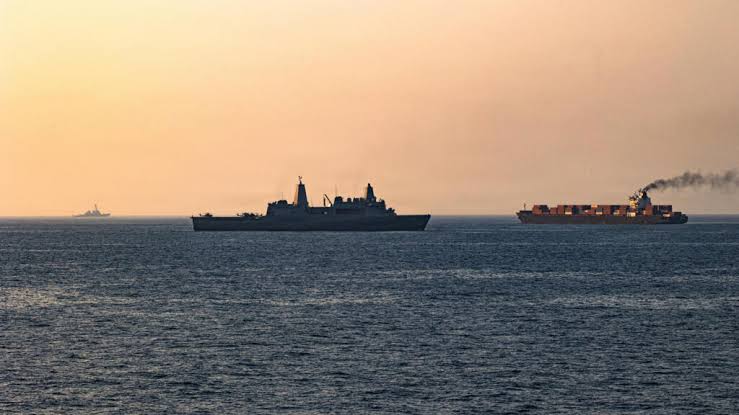
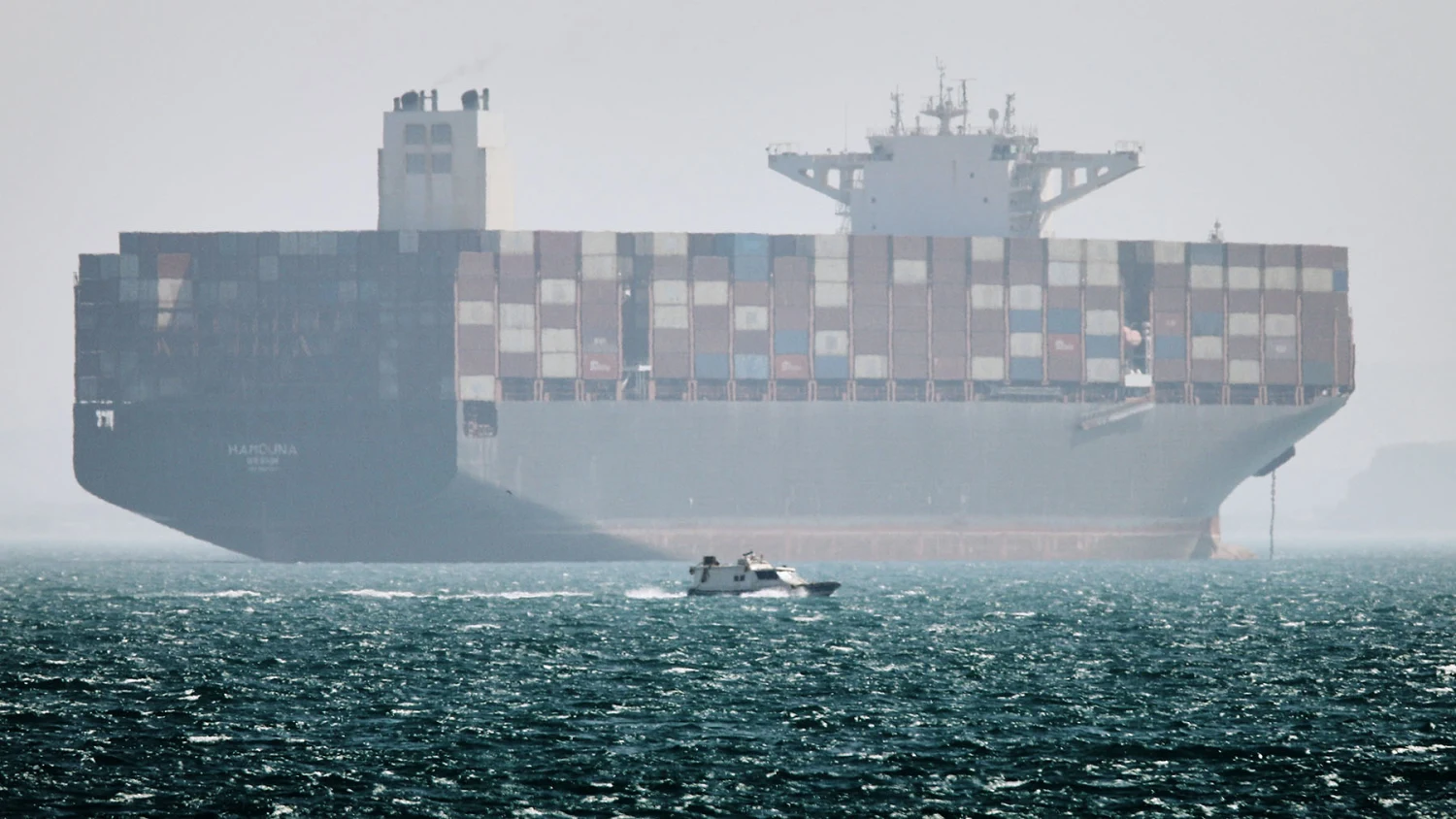
Bessent’s remarks came as Washington continued diplomatic efforts aimed at reopening the crucial waterway, through which a significant share of the world’s oil and liquefied natural gas supplies normally pass. Any sustained disruption to shipping through the strait has raised concerns over energy supplies, transportation costs and inflation across major economies.
Speaking about the negotiations, Bessent indicated that a deal could emerge within days. He suggested that the proposed arrangement would focus on ensuring that commercial vessels regain the ability to move freely through the waterway.
The Strait of Hormuz, located between Iran and Oman, is one of the world’s most important energy corridors. Its disruption has immediate consequences for oil-producing nations in the Gulf as well as major importers in Asia and elsewhere. Any prolonged restrictions on shipping can put upward pressure on crude prices and increase costs for businesses and consumers.
The possibility of an agreement has already influenced financial markets. Oil prices fell sharply as investors assessed the prospect of an arrangement that could reduce the risks surrounding shipments through the strait. A reopening would potentially ease concerns about supply shortages and reduce the geopolitical premium that has pushed energy prices higher.
However, uncertainty remains over whether Washington and Tehran can finalise an agreement within the suggested timeframe. The comments reflect optimism but do not amount to confirmation that a final deal has been reached. The details of any arrangement, including how freedom of navigation would be guaranteed and what commitments would be expected from both sides, remain important questions.
Lower risks to oil and gas transportation could help moderate energy costs and reduce pressure on economies already dealing with elevated prices. Asian countries, which rely heavily on Gulf energy supplies, would be among the major beneficiaries of a stable shipping route. At the same time, any failure of the negotiations could revive fears of prolonged disruption. Energy markets could once again face heightened volatility, while shipping operators may continue to confront elevated risks and costs.