
Spectacular natural wonder of the geysers and hotsprings of Yellowstone National Park, USA
Saikat Kumar Basu/ 27th October 2026

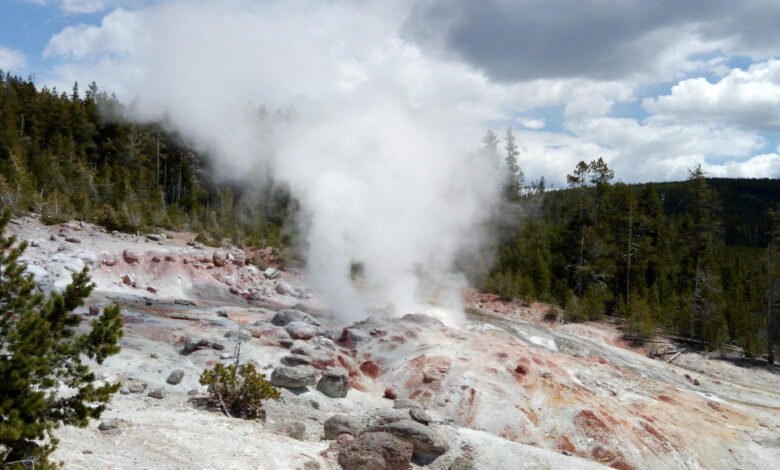
Yellowstone National Park in the United States is one of the most extraordinary natural landscapes on Earth. Spread across parts of Wyoming, Montana and Idaho, it is famous for its magnificent mountains, forests, lakes and wildlife. Yet its most spectacular feature lies beneath the surface—the immense geothermal system that produces hundreds of geysers, hot springs, mud pots and fumaroles. These features make Yellowstone a remarkable living laboratory of geology, chemistry and ecology.
Writeca short abstract on the geological reasons behind the geyers and coloured hotsprings of Yellowstone National Park in USA
Yellowstone National Park contains one of the world’s most spectacular concentrations of geysers and coloured hot springs because it lies above a geologically active volcanic hotspot. A vast underground heat source, associated with a large magma system beneath the Yellowstone region, heats groundwater circulating through fractures and porous rocks. When this water becomes superheated under pressure and suddenly releases pressure, it flashes into steam, producing spectacular geysers such as Old Faithful. The distinctive colours of Yellowstone’s hot springs arise mainly from thermophilic microorganisms, minerals, and differences in water temperature and chemistry. Silica-rich hydrothermal fluids also deposit minerals around springs and geysers, creating distinctive terraces and formations. Thus, Yellowstone’s extraordinary hydrothermal landscape results from the interaction of hotspot volcanism, fractured geology, groundwater circulation, pressure, heat, and microbial activity.
Among Yellowstone’s most famous attractions is Old Faithful, one of the world’s best-known geysers. It periodically erupts, sending a powerful column of hot water and steam high into the air. Although its eruptions are not perfectly regular, their relative predictability has made Old Faithful an enduring symbol of Yellowstone. Millions of visitors have watched its dramatic displays, turning a geological phenomenon into one of America’s most iconic natural spectacles.
Another breathtaking feature is the Grand Prismatic Spring, renowned for its brilliant colours. The spring displays rings of blue, green, yellow, orange and red around its intensely blue centre. These colours are not simply the result of minerals; they are also associated with heat-loving microorganisms living along different temperature zones. The vibrant microbial communities demonstrate how life can adapt to extreme environmental conditions.
Yellowstone contains many other fascinating geothermal formations. Hot springs are pools of heated water that may reach extremely high temperatures. Mud pots are acidic, muddy pools in which gases and heated water interact with surrounding minerals, producing bubbling mud. Fumaroles, meanwhile, are vents through which steam and volcanic gases escape. Together, these features create a landscape that sometimes resembles another planet.
The geothermal wonders of Yellowstone are also scientifically important. They provide scientists with opportunities to study volcanic processes, geothermal energy, extreme environments and microorganisms capable of surviving under harsh conditions. Some organisms found in Yellowstone’s hot environments have even contributed to important developments in biotechnology and molecular biology.
The park’s geothermal activity also reminds us that the Earth is a dynamic planet. What appears to be a peaceful landscape is actually powered by enormous forces beneath our feet. The movement of groundwater, heat from the Earth’s interior, volcanic processes and chemical reactions combine to create the spectacular phenomena visible at the surface.
Yellowstone’s geysers and hot springs therefore represent much more than tourist attractions. They are windows into the geological history and continuing evolution of our planet. Their beauty also carries an important conservation message. These fragile geothermal ecosystems can be damaged by human interference, pollution and careless tourism. Protecting them requires responsible visitor behaviour, scientific monitoring and strong conservation policies.
The geysers and hot springs of Yellowstone National Park are among nature’s most spectacular demonstrations of the power of the Earth. From the dramatic eruptions of Old Faithful to the extraordinary colours of Grand Prismatic Spring, Yellowstone combines geological power, biological adaptation and breathtaking beauty. It stands as a remarkable reminder that beneath the quiet surface of our planet lies a world of heat, energy and continual change—and that some of Earth’s greatest wonders must be carefully protected for future generations.
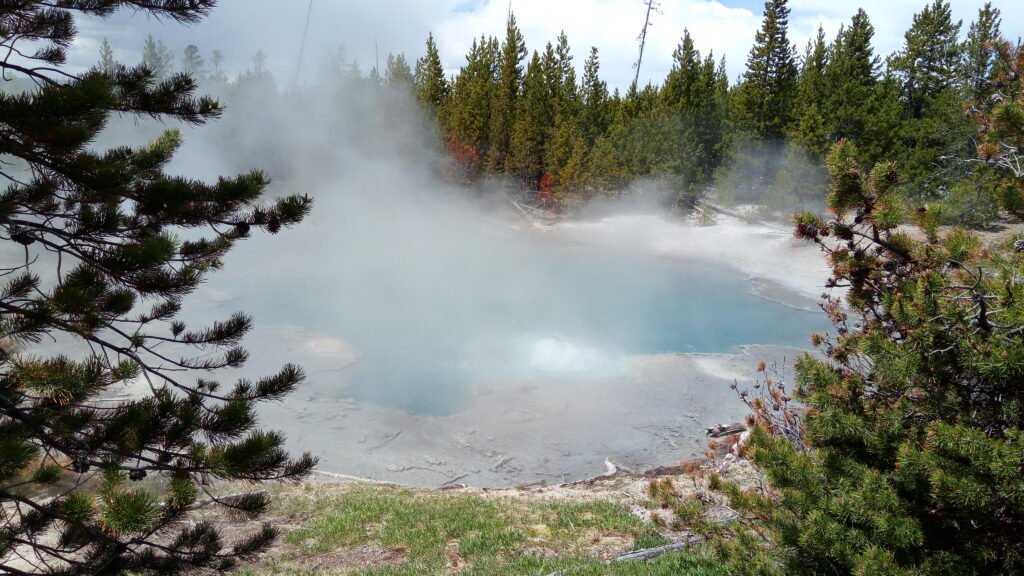
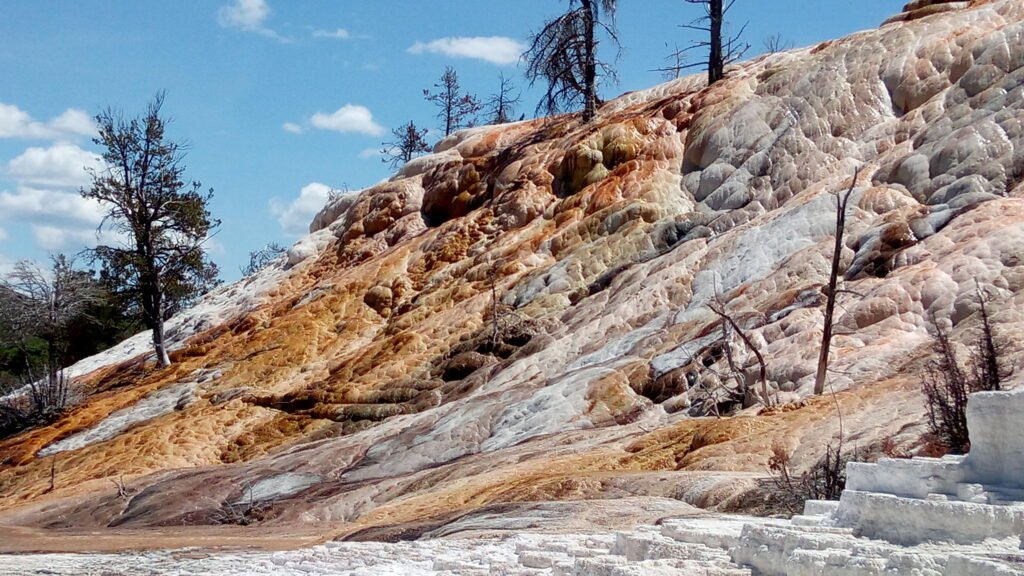
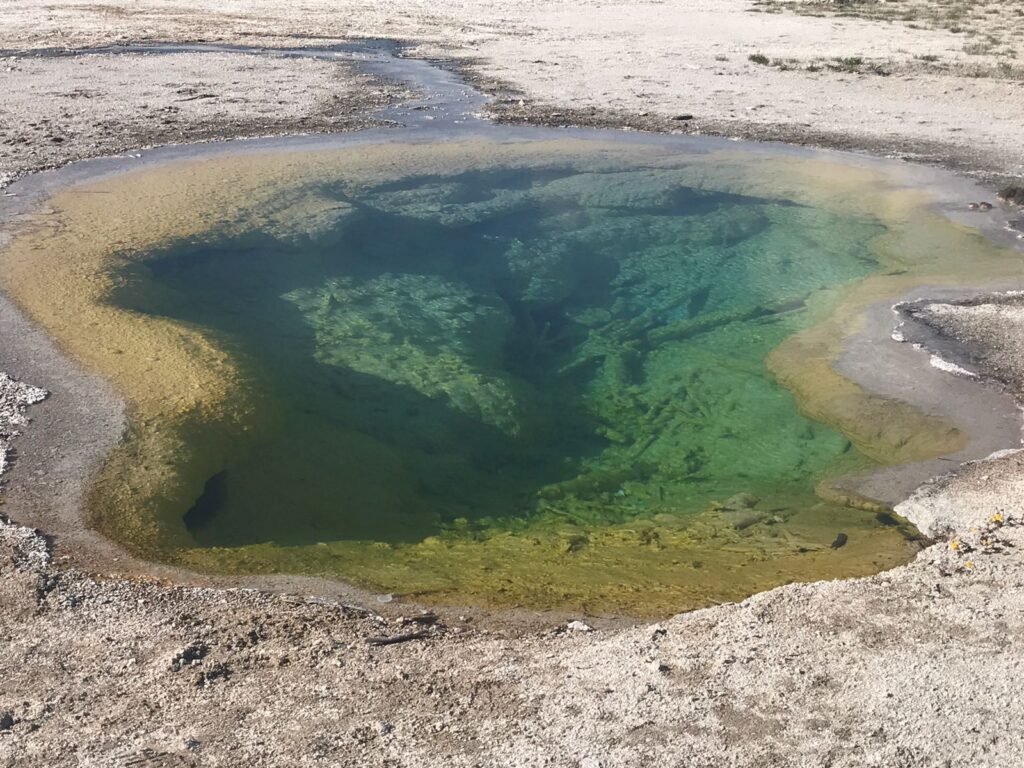
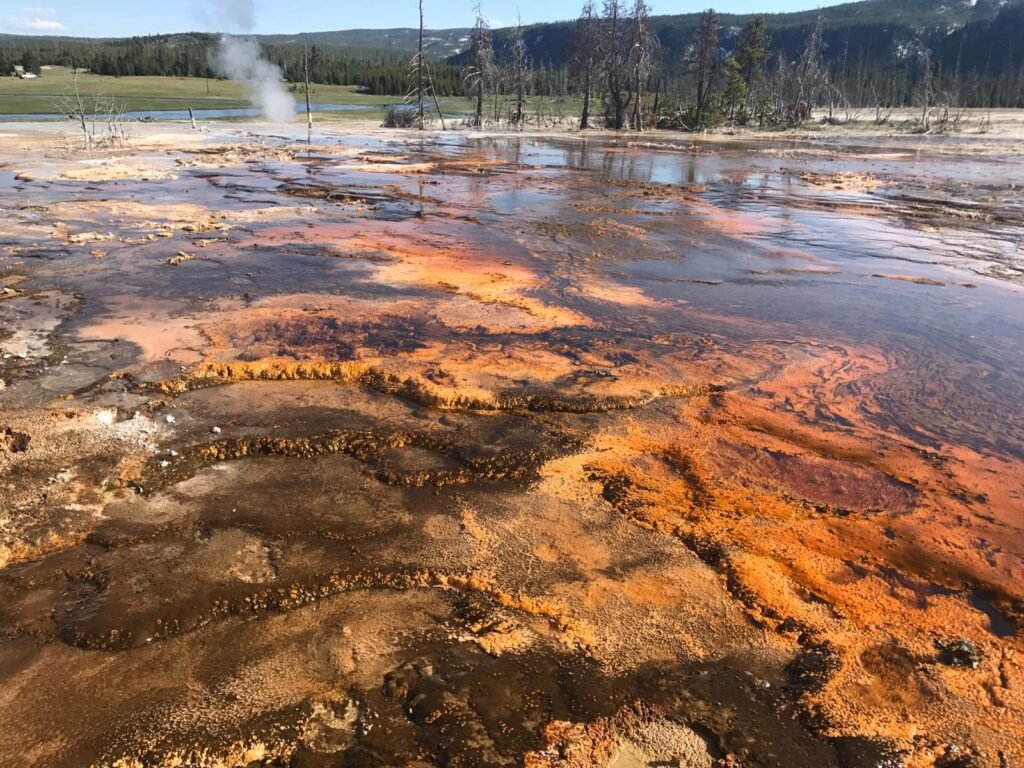
Photo credit: Saikat Kumar Basu