Heatwaves, Wildfires Accelerate Permafrost Thaw, Raising Climate Tipping-Point Fears
News Mania Desk/ Piyal Chatterjee/ 21st August 2026

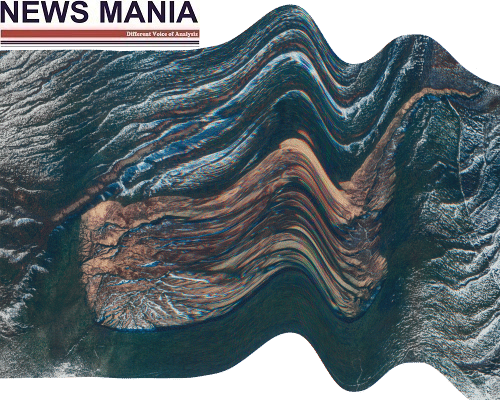
Intensifying heatwaves and increasingly severe wildfires are accelerating the thawing of permafrost across the Arctic, raising concerns among scientists that parts of the frozen landscape could reach climate tipping points that may be difficult or impossible to reverse on human timescales.
Permafrost, ground that has remained frozen for at least two consecutive years, stores enormous quantities of organic carbon accumulated over thousands of years. Scientists estimate that Arctic and sub-Arctic permafrost contains around 1,500 gigatons of carbon, making its stability an important factor in determining the future pace of global warming.
As temperatures rise, permanently frozen ground begins to thaw. Microbes then decompose previously frozen organic material, releasing carbon dioxide and methane into the atmosphere. Both are greenhouse gases, with methane being particularly powerful over shorter periods. The additional emissions can contribute to further warming, creating a feedback cycle in which rising temperatures cause more thaw, which in turn releases more greenhouse gases.
Recent extreme weather events have intensified the concern. Unusually hot summers and large wildfires in regions including Siberia and Canada can remove vegetation and insulating layers of soil, allowing heat to penetrate deeper into the ground. This can accelerate permafrost degradation even after the immediate effects of a heatwave or fire have passed.
Researchers estimate that hundreds of gigatons of carbon dioxide equivalent could potentially be released from thawing permafrost during this century if global temperatures rise substantially above pre-industrial levels. The scale of future emissions, however, will depend heavily on how quickly countries reduce greenhouse-gas emissions and limit global warming.
Scientists also warn that permafrost thaw can permanently transform Arctic landscapes. As underground ice melts, the ground may collapse, creating lakes, wetlands and other features associated with so-called thermokarst terrain. In some locations, these changes can prevent the landscape from returning to its previous frozen state, even if temperatures later decline.
Experts stress that the situation does not mean an unavoidable climate catastrophe is already underway. Rapid reductions in greenhouse-gas emissions could significantly limit further warming and reduce the amount of permafrost exposed to dangerous levels of thaw.