
Michigan Scientists Test Carbon Dioxide Method to Combat Invasive Zebra Mussels
News Mania Desk/ Piyal Chatterjee/ 16th September 2026

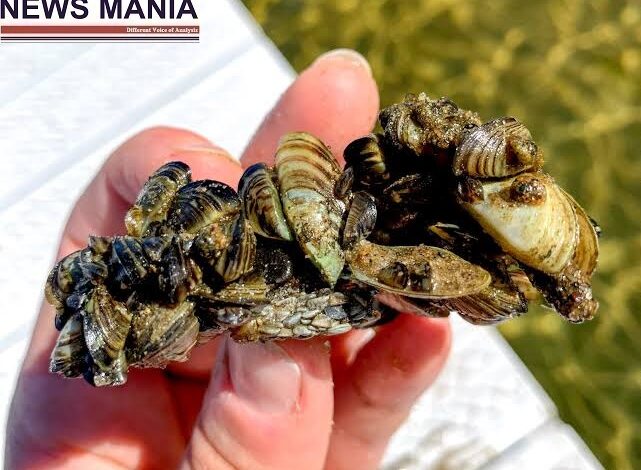
Scientists in Michigan have tested a new method to tackle the spread of invasive zebra mussels by combining weighted lakebed mats with carbon dioxide. The experimental technique aims to kill the mussels by creating conditions that are difficult for the invasive species to survive in, potentially offering an alternative to conventional control methods.
During the trial, researchers placed heavy mats over sections of the lakebed to cover the zebra mussels. Carbon dioxide was then pumped underneath the mats, creating a concentrated environment around the mussels. The approach was designed to trap the gas in the area and expose the invasive shellfish to elevated levels for an extended period.
The results were significant. After five days, more than 80 per cent of the caged zebra mussels exposed to the carbon dioxide treatment had died. Researchers are examining these findings to determine whether the technique can be developed into a practical strategy for controlling established zebra mussel populations.
Zebra mussels are considered a major invasive species because they can reproduce rapidly and compete with native organisms for food and habitat. They can also attach themselves to boats, pipes and other underwater infrastructure, creating costly maintenance problems. Their spread across freshwater ecosystems has made controlling their populations a priority for environmental agencies and researchers.
The use of lakebed mats on their own can physically block mussels and deprive them of access to food and oxygen. However, combining the mats with carbon dioxide could increase the effectiveness of the treatment by creating an additional stress factor for the mussels. Researchers are also studying the environmental implications of the technique. Any large-scale treatment would need to ensure that carbon dioxide concentrations do not cause unacceptable harm to native aquatic species or disrupt the surrounding ecosystem.
The Michigan experiment provides an early indication that targeted carbon dioxide treatment could help control zebra mussels. Scientists say further research and larger-scale trials will be necessary before determining whether the method can become a reliable tool for managing the invasive species in lakes and other freshwater environments.