
Sri Lanka Court Jails 15 Men Over 2019 Easter Sunday Bombings
News Mania Desk/ Piyal Chatterjee/ 23rd September 2026

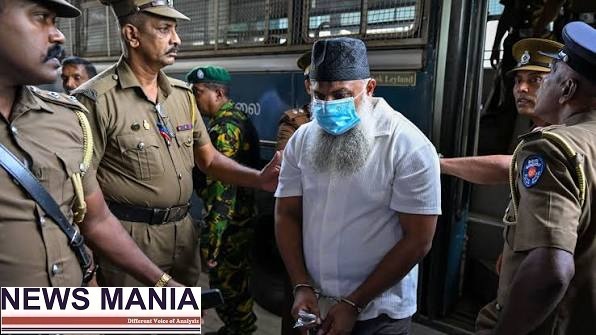
A Sri Lankan High Court has sentenced 15 men to lengthy prison terms in connection with the 2019 Easter Sunday bombings, which killed around 260 people and became one of the country’s deadliest attacks. The court handed down a combined sentence of 220 years to the accused after finding them guilty of offences linked to the coordinated attacks.
The bombings took place on April 21, 2019, when suicide attackers targeted several churches and luxury hotels in different parts of Sri Lanka. The attacks occurred as Christians gathered for Easter services, while hotels were also crowded with visitors and guests. Hundreds of people were killed or injured in the explosions. The attacks targeted St Anthony’s Shrine in Colombo, St Sebastian’s Church in Negombo and Zion Church in Batticaloa. Several luxury hotels in Colombo were also struck. The coordinated nature of the bombings caused widespread shock in Sri Lanka and drew international condemnation.
The 15 men convicted in the latest case were accused of having links to the extremist network behind the attacks and of providing various forms of support to the perpetrators. The charges included offences connected to terrorism, membership of an extremist organisation and aiding those involved in the attacks. The court imposed different prison terms on the accused depending on the charges and their individual roles. Together, the sentences amounted to 220 years of imprisonment. The court also ordered the confiscation of assets belonging to the convicted men as part of the punishment.
The verdict follows years of investigations and legal proceedings surrounding the Easter Sunday attacks. Sri Lankan authorities have conducted several investigations into the bombings, including efforts to establish the identities and networks of those who planned, supported and carried out the attacks.
The 2019 bombings were initially linked to National Thowheed Jamaath (NTJ), a local Islamist extremist organisation. Investigators also examined its connections with the Islamic State group. The suicide bombers were identified as members or associates of the extremist network.
The attacks also led to intense scrutiny of Sri Lanka’s security and intelligence agencies. Authorities had reportedly received warnings about a possible attack before Easter Sunday, raising questions about why preventive measures were not sufficient to stop the bombings. Families of victims and survivors have continued to seek accountability and answers over the circumstances surrounding the attacks. Questions about possible intelligence failures and the wider network behind the bombings have remained part of the public debate in Sri Lanka.