Israel Elections 2026: Netanyahu Faces Tough Challenge as Rivals Seek Parliamentary Majority
News Mania Desk/ Piyal Chatterjee/ 27th October 2026

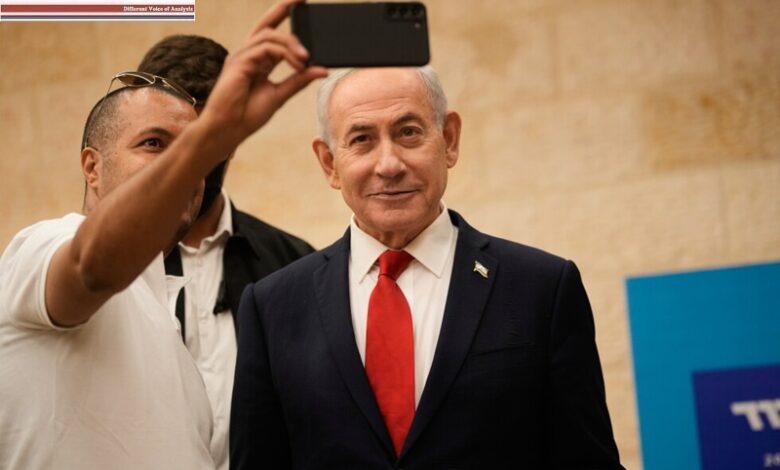
Israel is preparing for a closely contested general election on October 27, with Prime Minister Benjamin Netanyahu facing a significant challenge to his political future. The election, the country’s first since the Hamas-led attack on October 7, 2023, will test public confidence in Netanyahu’s leadership, his government’s security policies and its handling of the conflicts that have shaped Israel in recent years.
The election will determine the composition of the 120-member Knesset, Israel’s parliament. A party or alliance needs at least 61 seats to form a government. Opinion polls suggest that neither Netanyahu’s bloc nor the opposition has a clear path to securing the required majority, making smaller parties and post-election coalition negotiations particularly important.
Former military chief Gadi Eisenkot has emerged as Netanyahu’s principal challenger. He leads the centrist Yashar party and is seeking to unite opposition voters around a change in leadership. Other prominent figures challenging Netanyahu include former prime ministers Naftali Bennett and Yair Lapid, former defence minister Avigdor Lieberman and Democratic Party leader Yair Golan.
Several issues are expected to influence voting patterns, including accountability for the security failures surrounding the October 7 attack, military service exemptions for ultra-Orthodox Jewish men, judicial reforms, the cost of living and Israel’s national security. Netanyahu’s supporters view him as an experienced leader capable of protecting the country in a volatile region, while critics have questioned his government’s decisions and its handling of the war.
The role of Arab political parties could prove decisive. Although these parties may win a substantial number of seats, their participation in a governing coalition remains controversial among mainstream Jewish political parties. Ultra-Orthodox parties could also influence government formation, particularly amid disagreements over military conscription.
Under Israel’s proportional representation system, voters choose party lists rather than directly electing the prime minister. Parties must secure at least 3.25% of the national vote to enter parliament, making the performance of smaller groups crucial to the final distribution of seats.
The outcome could reshape Israel’s domestic political direction, although a major shift in foreign policy is considered unlikely given broad political agreement on maintaining a firm stance towards Iran and regional security threats. If neither camp can assemble a majority, prolonged negotiations or another election could follow.