
Bengali Cinema Mourns Anik Dutta, the Filmmaker Who Preserved Kolkata’s Memory Through Satire and Storytelling
News Mania Desk/ Piyal Chatterjee/ 28th May 2026

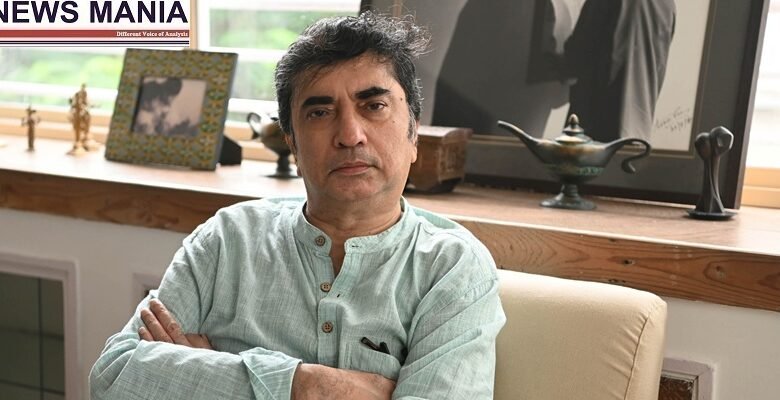
The sudden death of acclaimed Bengali filmmaker Anik Dutta has sent shockwaves across the Bengali film industry, with actors, directors, critics, and audiences remembering him as a rare storyteller who transformed Kolkata itself into a living, breathing character in his films. Known for his sharp satire, layered humour, nostalgia, and social commentary, Dutta’s work captured the changing identity of the city and the emotional complexities of Bengali middle-class life.
Dutta reportedly died on Wednesday after falling from the terrace of a residential building in south Kolkata. He was rushed to a private hospital in Dhakuria but later succumbed to his injuries. His unexpected passing has left the cultural community grieving the loss of one of Bengali cinema’s most original contemporary voices.
The filmmaker rose to widespread fame with his 2012 cult classic Bhooter Bhabishyat, a fantasy-comedy centred around ghosts inhabiting an old heritage mansion threatened by demolition. The film became a landmark success in Bengali cinema for its unusual storytelling style, witty dialogues, and emotional exploration of disappearing heritage in a rapidly modernising Kolkata. Through humour and supernatural elements, Dutta reflected on the city’s fading cultural identity and the anxiety surrounding urban transformation.
Many critics regarded Bhooter Bhabishyat not only as an entertaining film but also as a commentary on memory, nostalgia, and the gradual erasure of old Kolkata. The film resonated deeply with audiences because of its portrayal of the city’s changing social landscape and its affectionate depiction of Bengali culture.
Following the success of the film, Dutta continued to establish himself as an important creative force through works such as Aschorjyo Prodeep, Meghnadbodh Rohoshyo, Bhobishyoter Bhoot, Borunbabur Bondhu, and Aparajito. His films often blended humour with political and social observations while remaining rooted in Bengali literary and cultural traditions.
Among his later works, Aparajito received widespread praise for revisiting the making of Satyajit Ray’s iconic Pather Panchali. The film was celebrated as a heartfelt cinematic tribute to Ray and his contribution to Indian and world cinema. Dutta’s admiration for Ray’s filmmaking philosophy and storytelling approach was evident throughout his career, with many observers describing him as one of the few contemporary directors capable of balancing artistic sensitivity with mainstream appeal.
Colleagues from the Bengali film industry remembered Dutta as an uncompromising filmmaker deeply attached to Kolkata’s cultural essence. Actors and collaborators described him as meticulous, intellectually curious, and emotionally invested in every aspect of filmmaking. Many also noted how his cinema consistently reflected the tensions between nostalgia and progress in modern urban life.
Film critics believe Dutta’s legacy will endure because of his ability to preserve the spirit of Kolkata during a period of rapid social and architectural change. In his films, the city was never simply a backdrop but an active presence filled with memory, decay, humour, and resilience.
As tributes continue to pour in from across the cultural world, Anik Dutta is being remembered not just as a filmmaker but as a chronicler of Kolkata’s soul — someone who used cinema to protect the stories, emotions, and histories of a city constantly struggling between its past and future.