India Faces Mounting Energy Pressure as Hormuz Blockade and Russian Oil Waiver Expiry Converge
News Mania Desk/ Piyal Chatterjee/14th April 2026

India’s energy security is coming under significant strain as a geopolitical crisis in the Middle East coincides with the expiration of a key U.S. waiver that had allowed the country to import discounted Russian oil. The dual developments have created fresh concerns over supply disruptions, rising crude prices, and broader economic implications.
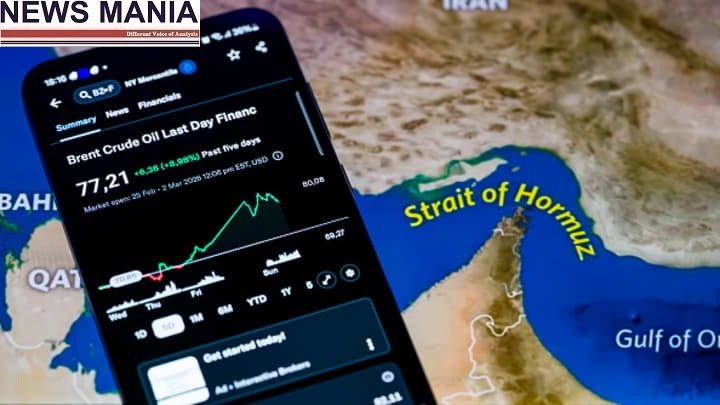
The situation has intensified following a U.S.-led naval blockade in the strategically vital Strait of Hormuz, a narrow shipping lane that facilitates a substantial portion of global oil trade. Any disruption in this corridor has immediate repercussions for energy-importing nations, particularly India, which relies heavily on crude supplies from the Gulf region. Reports indicate that tanker movements have slowed, while global oil prices have surged past the $100-per-barrel mark, adding pressure on import-dependent economies.
Compounding the issue is the recent expiry of a U.S. waiver that had enabled India to continue purchasing Russian crude despite Western sanctions. Over the past two years, India had significantly increased its intake of discounted Russian oil, helping cushion the impact of volatile global prices. However, with the waiver no longer in place, Indian refiners now face legal, logistical, and financial challenges in sustaining these imports. This shift is expected to reduce access to cheaper crude, forcing buyers to turn to more expensive alternatives.
Energy analysts warn that the simultaneous occurrence of these events has created a “perfect storm” scenario for India. The disruption in Middle Eastern supply routes limits immediate availability, while constraints on Russian oil narrow the range of affordable sourcing options. As a result, refiners may be compelled to diversify procurement further, including increased reliance on supplies from the United States and other distant producers, which could raise transportation costs.
The economic implications are likely to be widespread. A sustained rise in crude prices could elevate fuel costs domestically, triggering inflationary pressures across sectors such as transportation, manufacturing, and agriculture. Additionally, a higher oil import bill may widen India’s trade deficit, putting pressure on the rupee and overall fiscal stability.
In response, the government and industry stakeholders are exploring contingency measures, including tapping into strategic petroleum reserves and securing alternative supply agreements. India has also built a diversified supplier network over the years, which may offer some resilience in the short term.
However, experts caution that these measures may only provide temporary relief. The unfolding crisis underscores India’s continued vulnerability to global energy shocks and highlights the urgent need for long-term strategies, including greater investment in renewable energy and reduced dependence on imported fossil fuels.