India to Attend Khamenei’s State Funeral as Iran Tightens Security Amid Regional Tensions
News Mania Desk/Bornali Biswas -Editor in Chief / 3rd July 2026

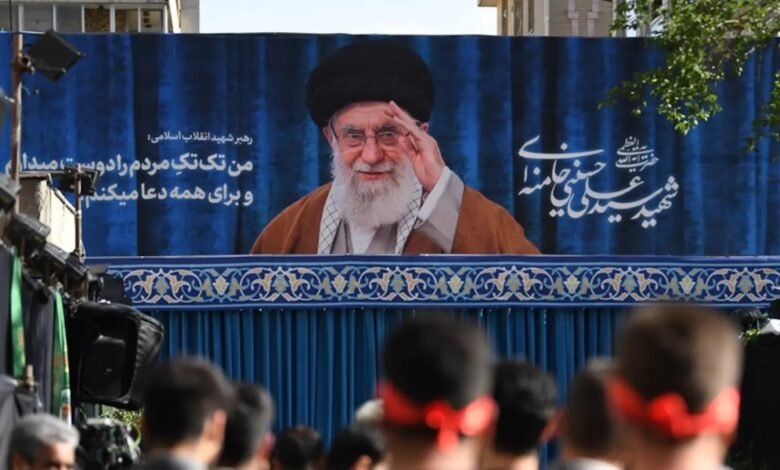
India will send a high-level delegation to the state funeral of Iran’s former Supreme Leader, Ayatollah Ali Khamenei, reaffirming the longstanding diplomatic relationship between New Delhi and Tehran during a period of heightened regional uncertainty. According to India’s Ministry of External Affairs, Minister of State for External Affairs Pabitra Margherita and Bihar Governor Syed Ata Hasnain will represent the Government of India at the funeral ceremonies in Iran.
The funeral processions are scheduled to begin in Tehran on July 4 and conclude with Khamenei’s burial in his hometown of Mashhad on July 9. Iranian authorities are also planning religious observances in Qom as part of the national mourning period.
India’s participation reflects the strategic importance of its ties with Iran, spanning energy security, regional connectivity, and the development of the Chabahar Port. While Prime Minister Narendra Modi received an invitation from Iranian President Masoud Pezeshkian, the Prime Minister is not attending because of previously scheduled overseas engagements.
The funeral comes amid heightened military tensions in the region. Iran has issued strong warnings to the United States and Israel against any further military action during the mourning period. Ali Abdollahi, commander of the Khatam al-Anbiya Central Headquarters, said any aggression would invite a “harsh retaliation” from Iran’s armed forces. Authorities have also tightened nationwide security and imposed temporary airspace restrictions over several major cities, including Tehran and Mashhad.
The international significance of the funeral is reflected in the participation of foreign delegations from several countries, including China, which has confirmed that a senior parliamentary leader will attend the ceremonies.
For India, attendance at the state funeral represents a continuation of its balanced West Asia policy—maintaining constructive engagement with Iran while preserving strong partnerships with Israel, the Gulf states, and Western nations. As Iran navigates a major political transition, New Delhi’s diplomatic presence underscores its commitment to regional stability, dialogue, and long-term strategic cooperation.