N. Chandrababu Naidu Launches Nationwide Campaign After Amendment Bill Defeat
News Mania Desk/ Piyal Chatterjee/18th April 2026

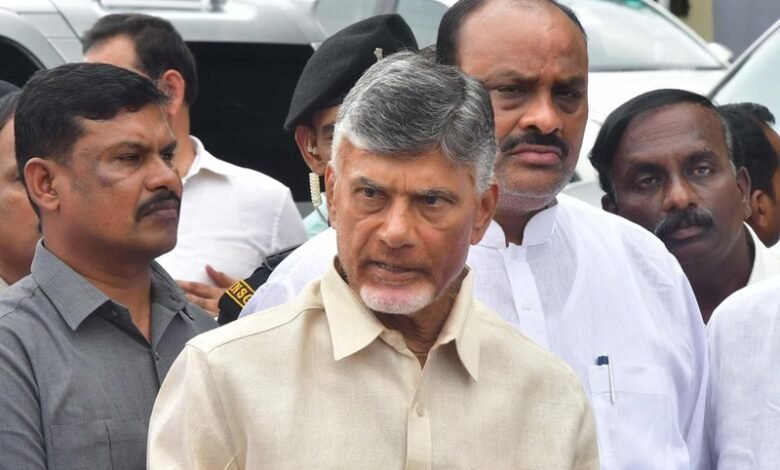
In the wake of the defeat of a key constitutional amendment bill in the Lok Sabha, Andhra Pradesh Chief Minister N. Chandrababu Naidu has announced the launch of a nationwide campaign targeting opposition parties, accusing them of obstructing a landmark reform aimed at enhancing women’s political representation.
Addressing party workers and the public, Naidu expressed strong disappointment over the failure of the proposed amendment, which sought to pave the way for 33% reservation for women in Parliament and state legislatures. He alleged that opposition parties had collectively undermined a historic opportunity to advance gender equality, calling their stance “deeply regressive” and contrary to the aspirations of millions of women across the country.
The Chief Minister declared that his party, along with its allies, would now take the issue beyond Parliament and directly to the people. The campaign, he said, would span multiple states and focus on raising awareness about the significance of women’s reservation, while also highlighting what he described as the opposition’s role in blocking the reform. According to Naidu, the initiative aims to build public pressure and generate momentum for reintroducing the bill with broader consensus.
The proposed legislation, formally known as the Constitution (131st Amendment) Bill, 2026, had sought to operationalise women’s reservation by linking it with a fresh delimitation exercise. It also proposed expanding the strength of the Lok Sabha, a move that the government argued would facilitate the implementation of quotas without reducing existing seats. However, the bill failed to secure the constitutionally mandated two-thirds majority required for passage, leading to its collapse in the House.
Opposition parties had raised concerns about the linkage between women’s reservation and delimitation, arguing that it could alter the balance of political representation among states. Several leaders, particularly from southern states, voiced apprehensions that population-based delimitation might disproportionately benefit states with higher population growth, potentially reducing their relative influence in national politics.
Naidu, however, dismissed these concerns, accusing opposition leaders of spreading misinformation and creating unnecessary fears. He asserted that the primary objective of the amendment was to ensure fair representation for women, a demand that has remained unfulfilled for decades. He further argued that delaying the reform on procedural or political grounds amounted to denying justice to women.
Highlighting the electoral implications, Naidu warned that parties opposing women’s reservation could face backlash from voters, especially women, who form a significant segment of the electorate. He maintained that the campaign would not only mobilise support for the reform but also hold opposition parties accountable for their stance.
The development has intensified political tensions, with both the ruling alliance and opposition presenting sharply contrasting narratives. While the government and its allies portray the bill’s defeat as a setback for gender justice, opposition parties continue to defend their position, arguing that the legislation required wider consultation and a more balanced approach.
Naidu’s decision to launch a national campaign signals a strategic shift, taking the debate from the legislative arena to the public domain. As political parties prepare for future electoral contests, the issue of women’s representation is likely to remain a central theme, shaping discourse around governance, equity, and democratic reform in India.