
Supreme Court Raises Alarm Over Rising Acid Attacks, Seeks Stricter Laws and Accountability for Seller
News Mania Desks/ Piyal Chatterjee/ 4th May 2026

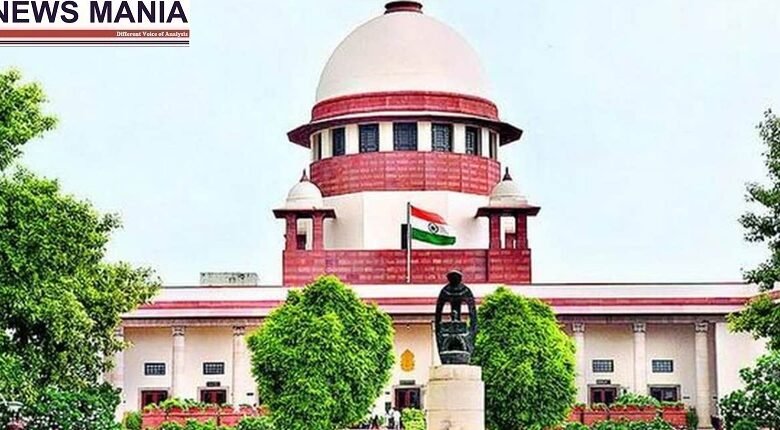
The Supreme Court of India has expressed deep concern over the growing number and severity of acid attack cases in the country, observing that existing legal provisions have failed to create an effective deterrent. The court’s remarks came during the hearing of a petition filed by acid attack survivor Shaheen Malik, who sought stronger enforcement of laws and better protection mechanisms for victims.
A bench headed by Justice Surya Kant noted that the current punishment prescribed under law—typically ranging from five to seven years of imprisonment—does not appear sufficient to discourage perpetrators. The court pointed out that despite legal provisions being in place, incidents of acid violence continue to occur with disturbing frequency, often leaving victims with life-altering injuries.
Highlighting a key concern, the bench focused on the easy availability of acid in the market, despite regulations aimed at restricting its sale. The judges observed that controlling the sale of acid is critical to preventing such crimes at the source. They suggested that individuals or entities involved in illegal sale of acid should be held accountable, even proposing the idea of imposing vicarious liability on sellers in cases where the substance is misused for attacks. According to the court, without strict action against those enabling access to acid, enforcement efforts against perpetrators alone may not be enough.
The court also deliberated on the need to revisit existing sentencing provisions. It indicated that Parliament may have to consider introducing stricter punishments or modifying legal standards to make them more effective. Among the suggestions discussed was the possibility of shifting certain evidentiary burdens onto the accused in acid attack cases, though such a move would require careful legal consideration to balance fairness and justice.
In a significant observation aimed at strengthening victim rights, the court extended the benefits of the Rights of Persons with Disabilities Act, 2016 to acid attack survivors who may not have visible external injuries but continue to suffer from serious internal or psychological harm. The bench clarified that such individuals should not be denied support and recognition under the law merely due to the absence of outward disfigurement. It further noted that this interpretation should be applied retrospectively, potentially benefiting many survivors who had previously been excluded.
The court also urged the Union government to examine whether legislative amendments are required to explicitly include all acid attack victims within the ambit of disability rights protections. It emphasised the importance of a comprehensive framework that not only punishes offenders but also ensures long-term rehabilitation, compensation, and dignity for survivors.
The matter has been posted for further hearing, with the Centre expected to respond to the court’s concerns and suggestions. The proceedings have once again brought national attention to gaps in implementation of acid control laws, as well as the broader need for systemic reforms to address one of the most brutal forms of gender-based violence in the country.
As the case progresses, the Supreme Court’s observations are likely to play a crucial role in shaping future legal and policy responses aimed at curbing acid attacks and strengthening justice for survivors.