Cost of US-Iran Conflict Rises to $29 Billion in Two Months, Pentagon Revises Estimates
News Mania Desk/ Piyal Chatterjee/13th May 2026

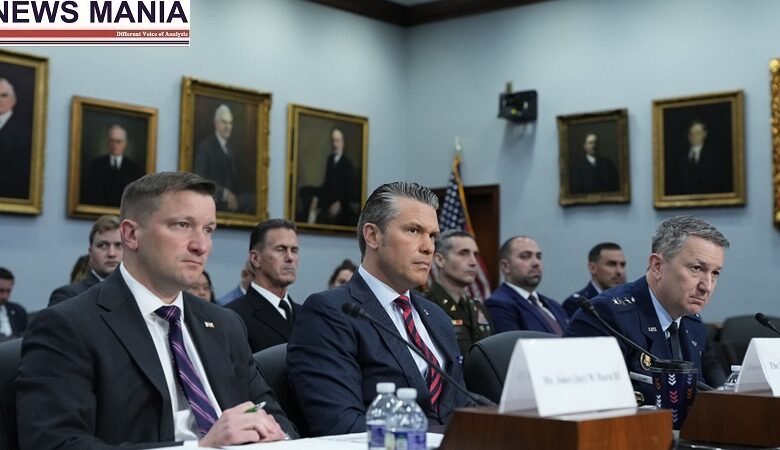
The financial burden of the ongoing conflict between the United States and Iran has risen sharply, with the Pentagon now estimating that military operations have cost nearly $29 billion within just 60 days. The updated figure, disclosed during a congressional budget hearing, is approximately 16 percent higher than an earlier estimate released only weeks ago, reflecting the rapidly escalating cost of the war.
The revised estimate was presented by acting Pentagon comptroller Jules Hurst before lawmakers in Washington. According to defence officials, the increase in expenditure is linked to expanded military operations in the Middle East, replacement of damaged equipment, missile defence systems, deployment costs and the maintenance of a large American military presence across the region.
The conflict began earlier this year following coordinated US and Israeli strikes on Iranian targets, which triggered a wider regional confrontation. Since then, the United States has significantly increased naval, air and missile operations in and around the Persian Gulf. Defence officials stated that major spending has gone toward precision-guided missiles, aircraft operations, troop deployments and advanced air defence systems designed to protect American bases and allied infrastructure.
Pentagon representatives informed lawmakers that the current estimate may continue to rise as assessments of equipment damage and operational expenses are still ongoing. Several members of Congress questioned military officials over the absence of a long-term financial projection and expressed concern about the growing economic impact of the conflict on the US budget.
The war has already become one of the costliest foreign military engagements of Donald Trump’s second term as President. Analysts noted that while the administration initially expected a limited military operation, the prolonged nature of the conflict has dramatically increased defence spending. Some lawmakers warned that continued escalation could place additional pressure on government finances and deepen economic uncertainty. Beyond direct military costs, economists cautioned that the broader economic consequences of the conflict could prove far more severe over time.
Global energy markets have already felt the effects of the conflict. Tensions surrounding the Strait of Hormuz, one of the world’s most critical oil shipping routes, disrupted oil transport and pushed international crude prices higher. The instability has affected fuel prices across several countries and raised concerns about inflation and slowing economic growth.
The rising cost of the war has also become a major political issue in the United States. Opposition Democrats criticised the Trump administration for what they described as insufficient transparency regarding the true scale of military spending. Critics argued that the administration underestimated the financial and economic consequences of the conflict while ordinary Americans continue to face rising living costs.
Some lawmakers also questioned whether the administration had a clear long-term strategy for ending the conflict. Congressional debates focused on concerns that the United States could become involved in a prolonged regional war requiring additional troop deployments and larger defence budgets in the future. Despite growing criticism, President Donald Trump defended the military campaign and insisted that the operation was necessary to protect American interests and maintain regional stability. Senior administration officials argued that Iran’s military activities and threats to international shipping routes required a strong response from Washington.
Defence Secretary Pete Hegseth stated that the United States military remained fully prepared to sustain operations despite the increasing costs. He maintained that the country’s defence capabilities had not been weakened and assured lawmakers that military readiness remained a top priority. With military spending continuing to rise and global markets reacting to instability in the Middle East, the financial consequences of the war are expected to remain under close scrutiny in the coming months.