
U.S.–Iran Tensions Rise as Fragile Truce Strains in Strait of Hormuz
News Mania Desk/ Piyal Chatterjee/5th May 2026

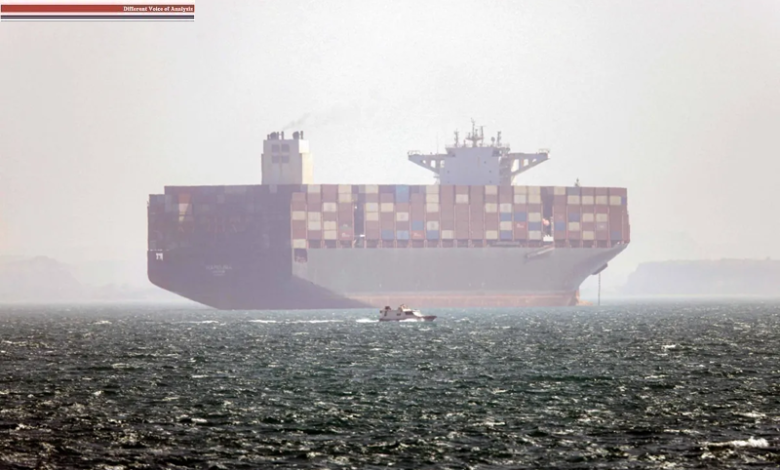
Tensions between the United States and Iran are once again escalating in and around the Strait of Hormuz, raising fresh doubts about the durability of a fragile truce and increasing fears of a broader regional conflict.
Recent developments suggest that both sides are testing the limits of the ceasefire, engaging in military actions while stopping short of an all-out war. The United States has intensified its naval presence in the region, launching an operation aimed at safeguarding commercial shipping through one of the world’s most critical maritime corridors. This mission, described by U.S. officials as defensive in nature, involves escorting oil tankers and deterring potential threats posed by Iranian forces.
According to American officials, U.S. forces have carried out strikes against Iranian military assets, including boats, drones, and missile systems believed to pose risks to maritime security. Washington maintains that these actions are necessary to ensure the free flow of global trade and to protect civilian vessels navigating the narrow passage.
Iran, however, has strongly contested the U.S. narrative. Officials in Tehran deny some of the reported losses and accuse the United States of exaggerating its successes. More critically, Iran has alleged that U.S. operations have endangered civilian shipping and escalated tensions unnecessarily. Iranian authorities have also signaled their intention to assert greater control over the surrounding waters, a move that has heightened concerns among international observers.
The Strait of Hormuz remains a focal point of the crisis due to its immense economic significance. Roughly a fifth of the world’s oil and gas shipments typically pass through this narrow waterway, making any disruption a matter of global consequence. In recent days, shipping activity has been affected, with some vessels delaying transit or rerouting altogether amid rising security concerns. Energy markets have reacted accordingly, with prices showing volatility as uncertainty grows.
Adding to the tension are reports of missile and drone activity in the broader region. Incidents targeting energy infrastructure and commercial vessels have contributed to an atmosphere of instability, though responsibility for some of these attacks remains disputed. Analysts warn that such actions, whether direct or indirect, increase the risk of miscalculation and unintended escalation.
Diplomatic efforts are ongoing but appear to be making limited progress. Regional actors have stepped in to mediate, seeking to preserve the truce and create space for negotiations. Iran has reportedly put forward proposals aimed at de-escalation, but significant disagreements persist, particularly regarding its nuclear ambitions and the scope of U.S. military operations in the region.
Despite the continued exchanges, neither side has formally abandoned the ceasefire. However, the pattern of confrontation suggests that the agreement is under severe strain. Experts note that both Washington and Tehran may be attempting to strengthen their bargaining positions while avoiding the political and military costs of a full-scale conflict.
The situation remains highly fluid, with the potential to shift rapidly. A single misstep could trigger a wider confrontation involving regional allies and disrupt global energy supplies. For now, the uneasy balance between restraint and retaliation continues to define the standoff, leaving the international community watching closely as events unfold.