Did Donald Trump Threaten India with Higher Tariffs? Trade Talks Face Fresh Uncertainty
News Mania/ Piyal Chatterjee/ 24th February 2026
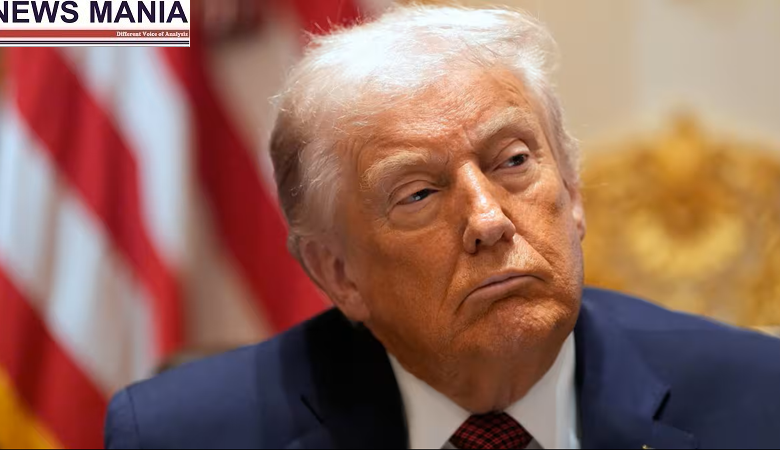
Fresh uncertainty has gripped India-US trade negotiations after former US President Donald Trump warned that countries attempting to “play games” on tariffs could face steeper duties, triggering speculation about whether India was among those being cautioned.
The remarks came in the wake of a major legal development in the United States. The U.S. Supreme Court struck down a sweeping tariff regime that had formed the basis of Trump’s aggressive trade policy, ruling that broad import levies imposed under emergency powers exceeded presidential authority. The decision disrupted ongoing trade discussions with multiple partners, including India.
In response to the ruling, Trump signalled that his administration would explore alternative legal routes to maintain tariff pressure and warned trading partners against trying to exploit the court’s verdict. Although he did not mention India directly, his comments coincided with a pause in high-level trade talks between New Delhi and Washington, prompting debate over their potential implications for bilateral relations.
India had been negotiating an interim trade arrangement aimed at lowering previously elevated US tariff rates on certain Indian exports. Under the proposed framework, duties that had at one stage reached as high as 50 percent were expected to be brought down significantly in exchange for market access commitments and other trade concessions. However, the Supreme Court’s intervention created legal ambiguity around the structure of these tariffs, leading India to delay a planned delegation visit to Washington.
Following the ruling, US authorities moved to introduce a temporary global tariff under a different statutory provision, initially set at 10 percent and later raised to 15 percent. Unless exemptions are negotiated, these rates would apply broadly to imports, including goods from India.
Indian officials have responded cautiously, emphasising the need for clarity and stability in the US legal framework before formalising any agreement. Industry stakeholders in India are closely watching developments, particularly exporters in sectors such as textiles, pharmaceuticals and engineering, which are sensitive to shifts in tariff structures.
Financial markets have also reacted to the evolving situation, reflecting broader investor concerns about global trade volatility. Analysts note that while strong strategic ties between India and the United States remain intact, unpredictable tariff measures complicate the path toward deeper economic integration.
For now, both sides appear to be recalibrating their positions. Whether Trump’s warning translates into concrete action against specific countries, including India, remains unclear. What is certain, however, is that the legal setback has reshaped the immediate landscape of trade diplomacy between the two nations, adding a fresh layer of uncertainty to negotiations that had appeared close to conclusion.