Houthis claim missile strike on Israel, signalling escalation in regional tensions
News Mania Desk/ Piyal Chatterjee/28th March 2026

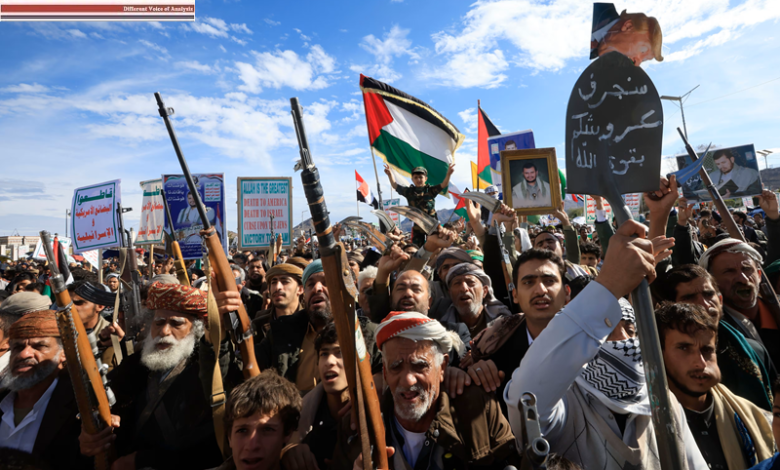
Yemen’s Houthi movement has claimed responsibility for a missile attack targeting Israel, marking a sharp escalation in the already volatile situation in West Asia. The Iran-aligned group announced that it had launched ballistic missiles toward Israeli territory, describing the strike as part of its response to ongoing regional hostilities.
According to Houthi statements, the missiles were aimed at strategic locations in Israel, though specific targets were not independently verified. The group asserted that the attack was carried out in solidarity with allied forces across the region, linking it to the broader conflict involving Iran and its partners. The claim underscores the Houthis’ increasing willingness to directly engage beyond Yemen’s borders.
Israeli authorities confirmed that a missile was detected approaching from the direction of Yemen, prompting the activation of air defence systems. Interception measures were reportedly successful in neutralising the threat before it could cause significant damage. Air raid sirens were sounded in parts of southern Israel, with residents advised to move to shelters as a precautionary step.
The incident is being viewed as a notable development because it represents one of the first direct attacks on Israel claimed by the Houthis in the current phase of tensions. While the group has previously carried out missile and drone strikes against regional targets, including shipping lanes and neighbouring countries, this move signals a potential widening of the conflict’s geographical scope.
The Houthis, who control large swathes of territory in Yemen, have repeatedly warned of possible intervention if hostilities involving their allies continue. Their latest action suggests a shift from rhetoric to direct military engagement, raising concerns among analysts about the risk of further escalation.
Experts warn that such developments could open additional fronts in an already complex conflict landscape. Increased hostilities involving multiple actors raise the possibility of retaliatory strikes and prolonged instability across the region. There are also concerns about the potential impact on critical maritime routes, particularly those linked to energy supplies and global trade. The situation remains fluid, with global powers closely monitoring events. Diplomatic efforts to de-escalate tensions are expected to intensify as fears grow that continued attacks could deepen the crisis. The involvement of the Houthis adds another layer of uncertainty, complicating an already fragile geopolitical environment and increasing the stakes for regional and international security.