
Sustainable Textiles Transform Waste into High-End Fashion Materials
News Mania Desk/ Piyal Chatterjee/ 16th April 2026

The global fashion industry is undergoing a significant shift as designers and brands increasingly turn to waste materials to create eco-friendly textiles. What was once discarded—such as agricultural residue and food waste—is now being repurposed into premium fabrics, signalling a move toward sustainability and innovation.
Major fashion players including H&M, Zara, Hugo Boss, and Salvatore Ferragamo are embracing alternative raw materials like orange peels, pineapple leaves, and other plant-based byproducts. These materials, once considered waste, are being processed into fabrics that offer both durability and aesthetic appeal, blending sustainability with luxury.
Traditionally, the textile industry relied on natural fibres such as cotton, silk, and wool. However, growing environmental concerns and the rising impact of fast fashion have accelerated the search for greener alternatives. Innovations now allow softer organic waste, including fruit pulp and plant fibres, to be converted into usable yarns and textiles, reducing dependence on resource-intensive materials.
In India, the concept of plant-based textiles has long been part of traditional practices. Fibres derived from banana stems, bamboo, and lotus plants have been used for generations in handloom weaving. Today, these methods are being modernised with technological advancements, enabling artisans and manufacturers to produce high-quality fabrics from agricultural leftovers.
The production process typically involves extracting fibres from plant waste, drying and spinning them into yarn, and then weaving them into fabric. The resulting textiles are often lightweight, breathable, and possess a natural sheen, making them suitable for both everyday wear and high-end fashion.
Designers are also experimenting with unconventional sources such as coffee grounds and textile scraps, incorporating them into garments and accessories. This approach aligns with the principles of a circular economy, where materials are reused and waste is minimised.
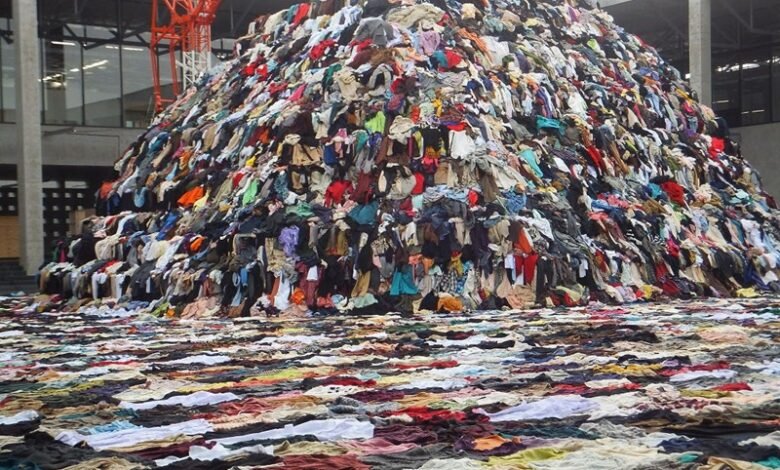
With millions of tonnes of textile waste generated globally each year, the shift toward eco-friendly fabrics is being seen as a crucial step in reducing environmental damage. Industry experts believe that this trend not only addresses sustainability challenges but also redefines luxury by placing value on innovation and responsible production. As awareness grows, waste-based textiles are expected to play a key role in shaping the future of fashion, merging environmental consciousness with creative design.