Indian Markets Poised for Gap-Up Opening as GIFT Nifty Signals Strength and Brent Crude Declines
News Mania Desk/ Piyal Chatterjee/ 6th May 2026

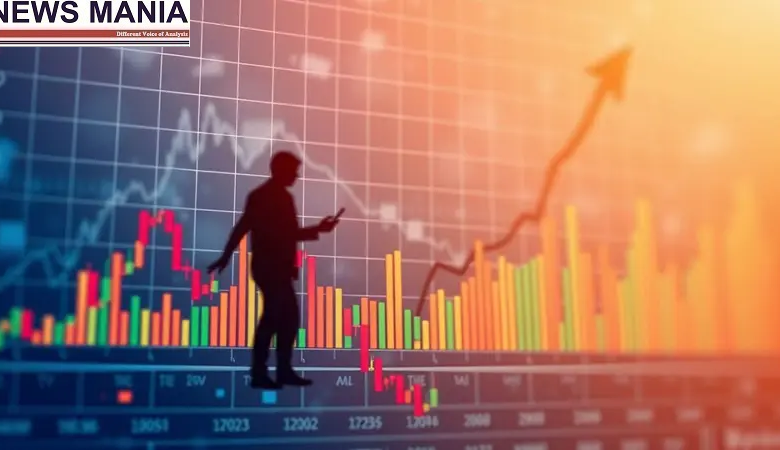
Indian equity markets are expected to begin the next trading session on a positive note, supported by encouraging global cues and a decline in crude oil prices. According to a report , early market indicators suggest a gap-up opening, with GIFT Nifty trading close to the 24,600 level.
The firm trend in GIFT Nifty, which reflects the expected performance of domestic indices before market hours, indicates improved investor sentiment following recent fluctuations. Market participants are closely watching these signals as a guide for the opening direction of benchmark indices such as the Nifty 50 and Sensex.
A key factor contributing to the positive outlook is the drop in Brent Crude prices, which have slipped below the $100 per barrel mark. This decline is seen as a major relief for India, a country heavily dependent on oil imports. Lower crude prices are expected to help ease inflationary pressures, stabilize the currency, and reduce operational costs for several sectors, thereby supporting corporate earnings.
Analysts believe that cooling oil prices could reverse some of the concerns that had weighed on markets in recent weeks, when elevated crude levels triggered worries about rising inflation and tighter monetary conditions. The recent fall in prices has been partly attributed to improving geopolitical conditions and expectations of reduced supply disruptions.
In addition to commodity trends, global equity markets have shown resilience, further boosting confidence among domestic investors. Positive momentum in international markets is likely to translate into buying interest on Dalal Street, particularly in sectors sensitive to global developments.
Technical indicators also suggest that if the upward momentum continues, benchmark indices could test higher resistance levels. However, experts caution that markets remain vulnerable to sudden changes in global conditions, including geopolitical developments and fluctuations in commodity prices.