Samajwadi Party Drops I-PAC Plan for 2027 Uttar Pradesh Elections Following Poor Performance in West Bengal and Tamil Nadu
News Mania Desks/ Piyal Chatterjee/ 6th May 2026

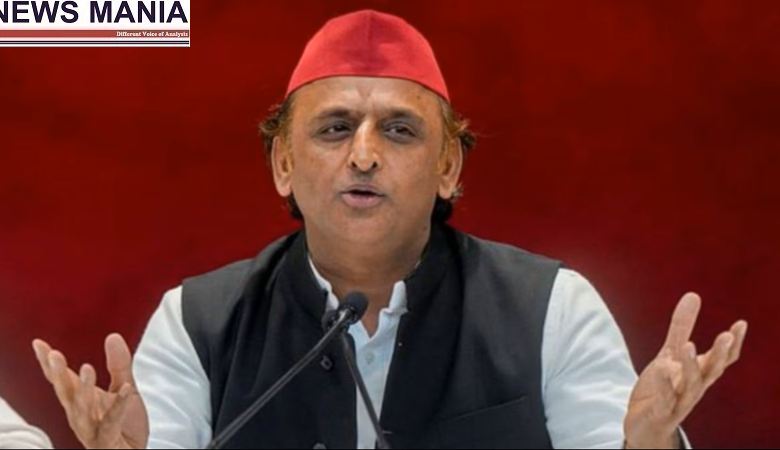
The Samajwadi Party (SP) has decided to distance itself from political consultancy firm Indian Political Action Committee (I-PAC) ahead of the 2027 Uttar Pradesh Assembly elections, following a reassessment of the firm’s recent electoral track record in key states such as West Bengal and Tamil Nadu. The decision reflects a broader strategic shift within the party as it prepares for one of India’s most politically significant state elections.
According to party insiders and media reports, discussions between the SP and I-PAC had been ongoing for several months, with the consultancy expected to play a role in campaign strategy and election management. However, those plans have now been shelved as the party leadership expressed concerns over the firm’s recent performance in state elections. The setbacks suffered by parties associated with I-PAC, particularly in West Bengal and Tamil Nadu, reportedly influenced the SP’s decision to reconsider the collaboration.
The turning point, according to sources, came after the electoral defeats of the Trinamool Congress (TMC) in West Bengal and the Dravida Munnetra Kazhagam (DMK) in Tamil Nadu. Both parties had previously worked with I-PAC on campaign strategy and political messaging. Their losses led to internal discussions within the SP about the effectiveness of relying on external political consultancy firms for electoral success.
The SP leadership, headed by Akhilesh Yadav, has now opted to focus on strengthening its internal organisational structure rather than outsourcing campaign planning. Party insiders suggest that the decision is aimed at building a more grassroots-driven and independent election strategy for 2027, relying on cadre mobilisation and traditional political networks within Uttar Pradesh.
Akhilesh Yadav has also recently pointed to financial constraints as a factor in limiting external collaborations, stating that resource limitations and organisational priorities make large-scale consultancy arrangements difficult to sustain. The party is now expected to redirect its efforts towards consolidating its voter base and addressing key political issues such as unemployment, governance, and caste-based mobilisation ahead of the state polls.
The development marks a significant shift in SP’s election strategy, especially considering the growing role of data-driven political consultancy firms like I-PAC in Indian elections over the past decade. While such firms have been credited with shaping successful campaigns in several states, their recent mixed outcomes have sparked debate over their long-term effectiveness.
With the 2027 Uttar Pradesh elections approaching, the SP is now focusing on rebuilding its campaign machinery independently, as it prepares for a direct contest against the ruling Bharatiya Janata Party (BJP). The decision to part ways with I-PAC underscores a renewed emphasis on internal strategy and grassroots political mobilisation.