Labour Party Suffers Major Setback In UK Local Elections As Reform UK Makes Strong Gains
News Mania Desk/ Piyal Chatterjee/8th May 2026

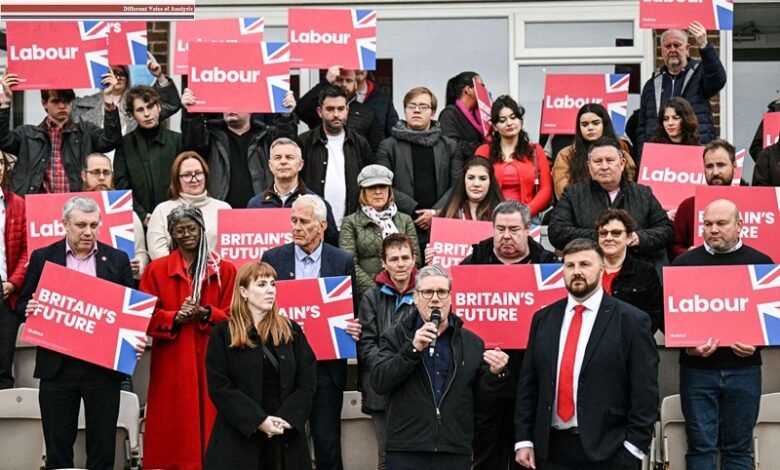
Britain’s ruling Labour Party is facing heavy losses in local elections across England, Scotland and Wales, with early results showing significant gains for Reform UK, the right-wing populist party led by Nigel Farage. The outcome has increased political pressure on Prime Minister Keir Starmer less than two years after Labour returned to power in the 2024 general election.
Counting trends from several councils indicate Labour has lost support in many traditional strongholds, particularly in northern and central England. Reform UK has emerged as one of the biggest beneficiaries of voter dissatisfaction, securing major breakthroughs in councils that were historically dominated by Labour or the Conservatives.
One of the most significant developments came in Newcastle-under-Lyme, where Reform UK gained control of the council after winning a majority of seats. The party also recorded strong performances in Hartlepool and other working-class regions that had long been considered Labour strongholds. Political analysts described the results as evidence of growing frustration among voters over economic conditions and mainstream political leadership.
Labour also faced difficulties in Greater Manchester, where the party reportedly lost its long-standing majority in Tameside after decades of control. Reform UK made substantial gains in the borough and emerged as the principal opposition force. The result has been viewed as a symbolic setback for Labour in one of its historically loyal regions.
The local elections are increasingly being interpreted as a referendum on Starmer’s leadership and Labour’s performance since coming to office in 2024. The government has faced criticism over inflation, rising living costs and the pace of economic recovery. Several Labour lawmakers and party supporters have expressed concern over the party’s declining popularity following the disappointing election performance.
Despite the setbacks, Starmer ruled out stepping down and acknowledged public frustration with the government. He accepted responsibility for the losses but insisted Labour remained committed to implementing reforms and improving economic conditions. The Prime Minister stated that voters had sent a clear message and said the government would continue working to regain public confidence.
The elections have also highlighted the changing nature of British politics. Alongside Reform UK’s rise, smaller parties including the Green Party and the Liberal Democrats have made gains in several councils, further weakening the traditional dominance of Labour and the Conservatives. Political observers believe the results reflect a growing appetite among voters for alternatives to Britain’s established political parties.
Reform UK’s performance is being seen as a major political success for Nigel Farage, who has continued to position the party as an anti-establishment alternative focused on immigration, national identity and economic dissatisfaction. The party ran an aggressive campaign ahead of the elections and targeted areas experiencing frustration with both Labour and Conservative leadership.
Meanwhile, the Conservative Party also continued to struggle in several regions, losing support to Reform UK and other smaller parties. Analysts suggest the local election results could significantly influence Britain’s political landscape ahead of the next general election, which is due before 2029.
As counting continues across parts of the United Kingdom, attention remains focused on whether Labour can recover from the electoral setback and whether Reform UK can sustain its growing momentum nationally. The results are expected to intensify debate within British politics over leadership, economic policy and the future direction of the country’s political system.