
Petrol and Diesel Prices Raised by Nearly ₹3 Per Litre Amid Global Crude Oil Surge
News Mania Desks/ Piyal Chatterjee/ 15th May 2026

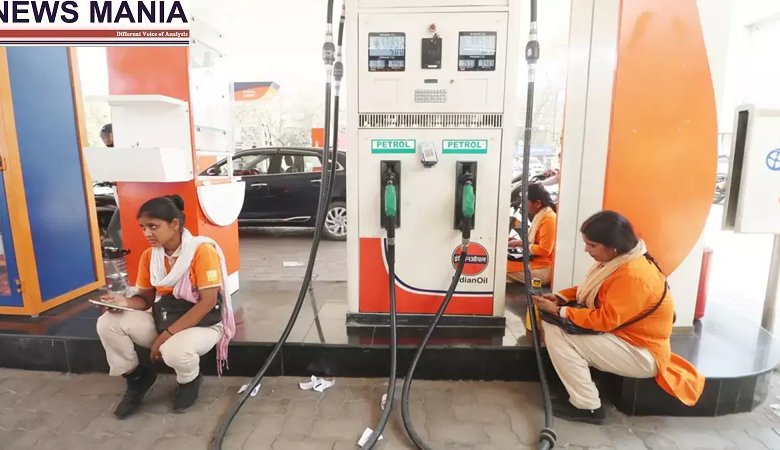
Fuel prices across India witnessed a sharp increase on May 15 after the Central government approved a hike of nearly ₹3 per litre in petrol and diesel rates, ending weeks of price stability. The revision, implemented by state-run oil marketing companies, marks one of the most significant fuel price increases in recent years and comes amid mounting pressure from rising international crude oil prices and continuing geopolitical tensions in West Asia.
Following the revision, petrol and diesel prices rose across major cities including Delhi, Mumbai, Kolkata and Chennai, with local taxes causing minor differences in retail rates. In the national capital, petrol prices increased to around ₹97.77 per litre while diesel crossed ₹90 per litre. The increase has raised concerns about inflation and higher transportation costs, as fuel prices directly influence logistics, manufacturing and household expenses.
Government officials and industry experts linked the hike primarily to the sharp rise in global crude oil prices. International benchmark Brent crude has remained elevated due to instability in the Middle East, particularly tensions involving Iran, Israel and the United States. Concerns over disruptions in the Strait of Hormuz, one of the world’s most important oil transit routes, have also contributed to uncertainty in global energy markets.
India imports more than 80 percent of its crude oil requirements, making domestic fuel pricing highly sensitive to international market fluctuations. According to reports, public sector oil companies had been absorbing higher import costs for several weeks in an attempt to shield consumers from sudden price shocks. However, with global crude prices continuing to rise and inventories purchased at lower rates getting exhausted, oil companies were left with little option but to revise retail fuel prices.
Officials indicated that state-run refiners had been facing heavy financial pressure due to the widening gap between international crude prices and domestic retail rates. Petroleum Minister Hardeep Singh Puri had earlier suggested that a price revision could become unavoidable if global market conditions failed to improve.
Economists warned that the fuel price hike could lead to a broader rise in inflation in the coming weeks. Higher diesel prices are expected to increase freight and transportation costs, which may eventually affect the prices of essential commodities and consumer goods. Analysts believe the hike could add pressure on household budgets and business operating expenses, especially in sectors dependent on transportation and fuel consumption.
Reports also indicated that prices of other energy products, including LNG, had witnessed an increase, reflecting the wider impact of global energy market instability. The rise in energy costs comes at a time when the government is already attempting to manage inflationary pressures and maintain economic stability.
The fuel price revision followed Prime Minister Narendra Modi’s recent appeal urging citizens to conserve fuel and reduce unnecessary energy consumption. Media reports suggested that authorities are also considering measures such as reduced official travel and greater adoption of work-from-home practices in certain sectors to lower fuel demand and manage the country’s growing import burden.
The latest increase highlights the vulnerability of India’s energy sector to global geopolitical developments and underscores the challenges faced by policymakers in balancing consumer relief with the financial health of oil companies.