Assam Assembly Passes Uniform Civil Code Bill Amid Opposition Protest
News Mania Desk/ Piyal Chatterjee/ 28th May 2026

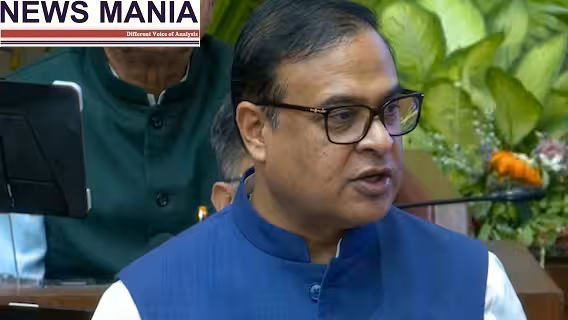
The Assam Assembly on Wednesday passed the Uniform Civil Code (UCC) Bill by voice vote following a lengthy and heated debate, marking a significant political move by the BJP-led state government. With the passage of the legislation, Assam has joined the growing list of BJP-ruled states implementing laws aimed at establishing a common civil framework governing personal matters across communities.
The Bill was introduced by the government led by Chief Minister Himanta Biswa Sarma, who described the legislation as a major social reform initiative focused on ensuring equality and justice. The proposed law seeks to create uniform regulations on issues such as marriage, divorce, inheritance, adoption, and live-in relationships. Among its key provisions are restrictions on polygamy and mandatory registration of live-in relationships.
During the Assembly session, Sarma defended the legislation, saying it would help remove legal inequalities and strengthen the rights of women. He termed the passage of the Bill a “historic moment” for Assam and credited the ideological support of the BJP and the Rashtriya Swayamsevak Sangh (RSS) for making the reform possible. According to the Chief Minister, the law aims to promote social harmony and modern legal standards while ensuring equal treatment for all citizens.
However, opposition parties strongly criticised the Bill, arguing that Assam did not require a Uniform Civil Code. Congress, AIUDF, and several regional parties accused the government of attempting to polarise communities through legislation linked to religious and cultural practices. Opposition leaders claimed the Bill interfered with personal laws and traditional customs followed by different communities in the state.
Critics also alleged that the government failed to conduct adequate consultations before introducing the legislation. Several opposition members staged protests inside the Assembly during the debate and demanded that the Bill be referred to a select committee for further review. The government clarified that tribal communities protected under the Sixth Schedule of the Constitution would remain exempt from the provisions of the new law. Sarma stated that tribal traditions and customary practices in the Northeast deserved protection and respect.
The Assam Assembly on Wednesday passed the Uniform Civil Code (UCC) Bill by voice vote following a lengthy and heated debate, marking a significant political move by the BJP-led state government. With the passage of the legislation, Assam has joined the growing list of BJP-ruled states implementing laws aimed at establishing a common civil framework governing personal matters across communities.
The Bill was introduced by the government led by Chief Minister Himanta Biswa Sarma, who described the legislation as a major social reform initiative focused on ensuring equality and justice. The proposed law seeks to create uniform regulations on issues such as marriage, divorce, inheritance, adoption, and live-in relationships. Among its key provisions are restrictions on polygamy and mandatory registration of live-in relationships.
During the Assembly session, Sarma defended the legislation, saying it would help remove legal inequalities and strengthen the rights of women. He termed the passage of the Bill a “historic moment” for Assam and credited the ideological support of the BJP and the Rashtriya Swayamsevak Sangh (RSS) for making the reform possible. According to the Chief Minister, the law aims to promote social harmony and modern legal standards while ensuring equal treatment for all citizens.
However, opposition parties strongly criticised the Bill, arguing that Assam did not require a Uniform Civil Code. Congress, AIUDF, and several regional parties accused the government of attempting to polarise communities through legislation linked to religious and cultural practices. Opposition leaders claimed the Bill interfered with personal laws and traditional customs followed by different communities in the state.
Critics also alleged that the government failed to conduct adequate consultations before introducing the legislation. Several opposition members staged protests inside the Assembly during the debate and demanded that the Bill be referred to a select committee for further review. The government clarified that tribal communities protected under the Sixth Schedule of the Constitution would remain exempt from the provisions of the new law. Sarma stated that tribal traditions and customary practices in the Northeast deserved protection and respect.