Data Privacy and Social Media Moderation: Protecting Users Without Silencing Them
Ms.Bornali Biswas ,Editor in Chief/ 19th August 2026

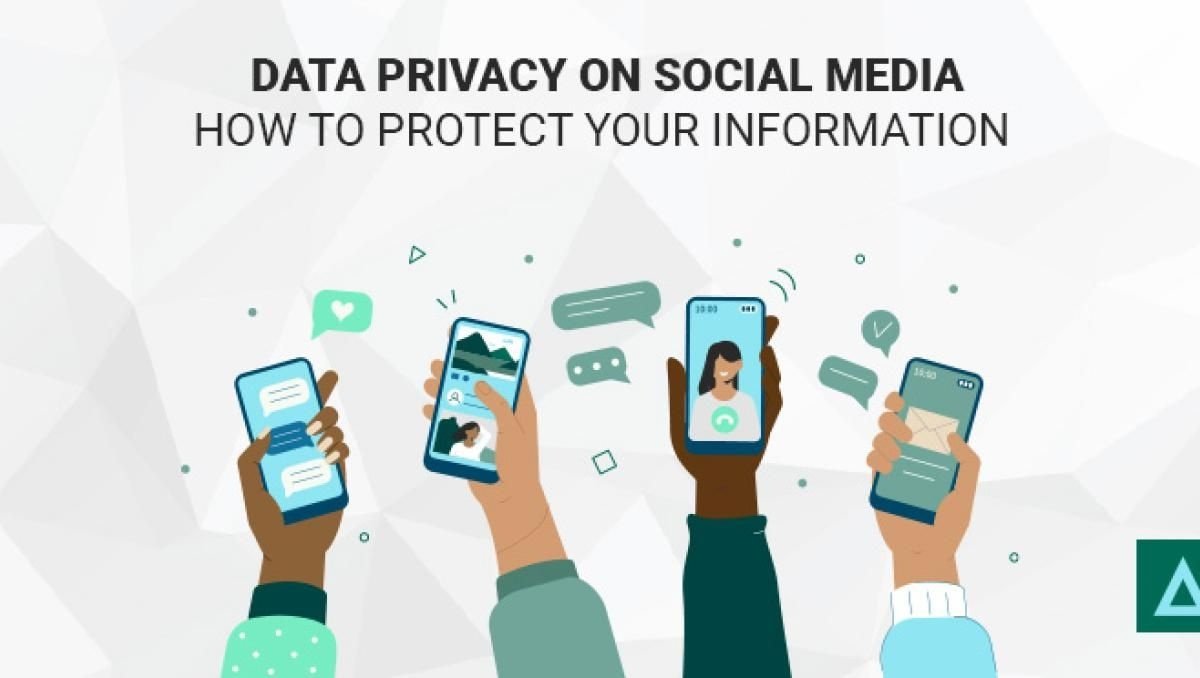
Social media has become an inseparable part of modern life. It connects people, spreads information and provides a powerful platform for public expression. But behind this convenience lies a growing concern: how much personal information are we giving away, and who controls what we are allowed to see and say?
Data privacy laws are essential because social media platforms collect enormous amounts of information—from names, locations and browsing behaviour to preferences, contacts and online interactions. If this information is poorly protected, it can be exploited for identity theft, financial fraud, targeted manipulation, harassment and unwanted surveillance. Users often accept lengthy privacy policies without fully understanding how their data may be stored, analysed or shared.
Social media moderation presents another difficult challenge. Platforms must act against hate speech, threats, child exploitation, violent content, scams and deliberate misinformation. However, excessive or poorly designed moderation can create another danger: legitimate opinions, journalism, criticism and political debate may be wrongly removed.
The greatest risk is therefore not moderation itself, but unchecked power. When a small number of technology companies determine what billions of people can access, opaque algorithms and inconsistent decisions can influence public discourse. Automated systems can also make mistakes, particularly when language, cultural context, satire or regional expressions are involved.
Privacy laws and moderation policies must consequently be built around transparency, accountability and proportionality. Users should know what information is collected, why it is collected and how long it is retained. They should have meaningful control over their data and accessible mechanisms to challenge unfair decisions.
Governments also have a responsibility. Regulation should protect citizens without becoming a tool for political censorship or unnecessary surveillance. Independent oversight, clear legal standards and judicial safeguards are essential.
Citizens, meanwhile, must not assume that everything shared online is private. Strong passwords, two-factor authentication, cautious sharing of personal information and awareness of suspicious links remain basic but important protections.
The digital world cannot be made completely risk-free. But privacy and freedom of expression should not be treated as competing goals. A responsible digital ecosystem must protect people from genuine harm while preserving their right to communicate, question and disagree.
The future of social media should therefore be governed by one principle: technology must serve citizens—not quietly control them.