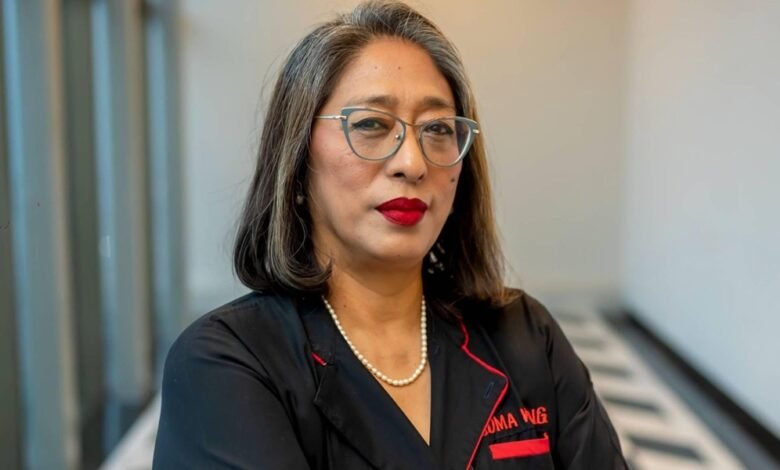
Candid Communication:From the Himalayas to the Nation’s Plate: The Inspiring Journey of India’s ‘Momo Queen’ Doma Wang
Interviewed By: Ashif Shah renowned Businessman, Social Worker and Associate Partner of News Mania

1. What was the moment or thought that convinced you to start a food business, and what were the biggest challenges of being a pioneer home chef?
I started my home-delivery food business at a time when the concept didn’t even exist in our country. I had a newborn in my arms, bills piling up, and a skill that my friends constantly praised — cooking. So, I took the leap.
Being a pioneer sounds fancy now, but back then it was pure survival. No delivery partners, no packaging suppliers, no online menus. I cooked, packed, and even delivered the food on my scooter. It was a rough path, but I walked it one determined day at a time. Today, I’m grateful I could make that journey a little smoother for the ones who came after me.
2. How did the opportunity to run the Sikkim House canteen come about, and what did that shift mean for your business and personal life?
My food first travelled through Kolkata in tiffin’s carried by my friends. One of them, who worked with the Sikkim government, insisted that I open a small restaurant at the Sikkim Guest House canteen.
Moving from my home kitchen to a public space was both terrifying and thrilling. Watching people enjoy my food right in front of me made the fear worth it. Yes, it meant sacrificing time with my children and giving up a large part of my social life — but every smile across the table told me I had made the right choice.
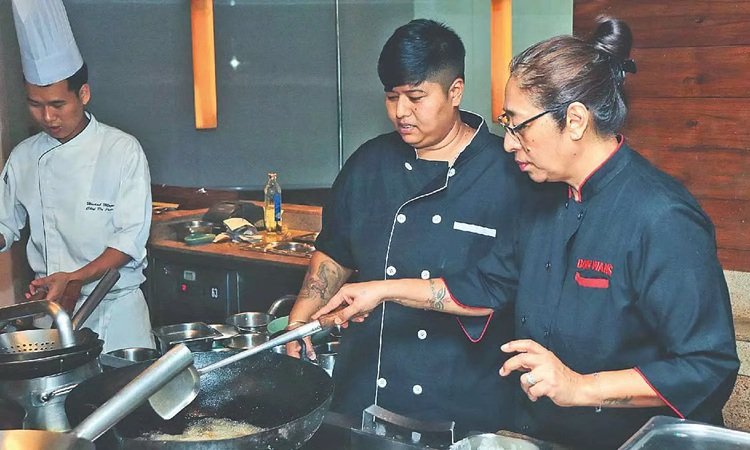
3. You are affectionately known as the “Momo Queen of India.” When did you first hear this title, and how do you feel about this affectionate moniker today?
The title “Momo Queen of India” is something that simply happened over time — I don’t know who said it first or how it stuck, but I’m glad it did. It feels like a warm blessing from everyone who believed in my food. I wear it with happiness and pride.
4. What was the vision behind starting The Blue Poppy Thakali in 2005? What does the name represent, and how has the restaurant evolved over the years?
Blue Poppy began as a humble canteen at the Sikkim Guest House. For a single mother of two, it was both a dream and a lifeline. The name comes from the rare Himalayan blue poppy — a flower that represents where I come from and the essence of the food I cook.
When my daughter Sachiko joined me, she brought fresh ideas and youthful energy. She encouraged me to add Nepali Thakali cuisine to the menu, transforming Blue Poppy into Blue Poppy Thakali and making it a complete Himalayan experience. With young blood came innovation; with experience came grounding — and together, we continue to grow.
5. Your restaurants are celebrated for authentic Himalayan cuisine. In today’s world of food fusion (like Tandoori or Afghani momos), what does authenticity mean to you, and where do you draw the line for innovation?
As a Tibetan who grew up eating authentic Himalayan food, I hold my culinary roots very close to my heart. In the early days, the fusion experiments people attempted with our cuisine honestly made me want to strangle them!
But over time, I’ve learned to be more tolerant — food evolves, and that’s natural.
What I cannot accept is losing the soul of our dishes. A momo must taste like a momo. The mountain flavours must stay alive. I see myself as a custodian of this heritage, and I’ll always work to ensure these original flavours are preserved for generations to come.
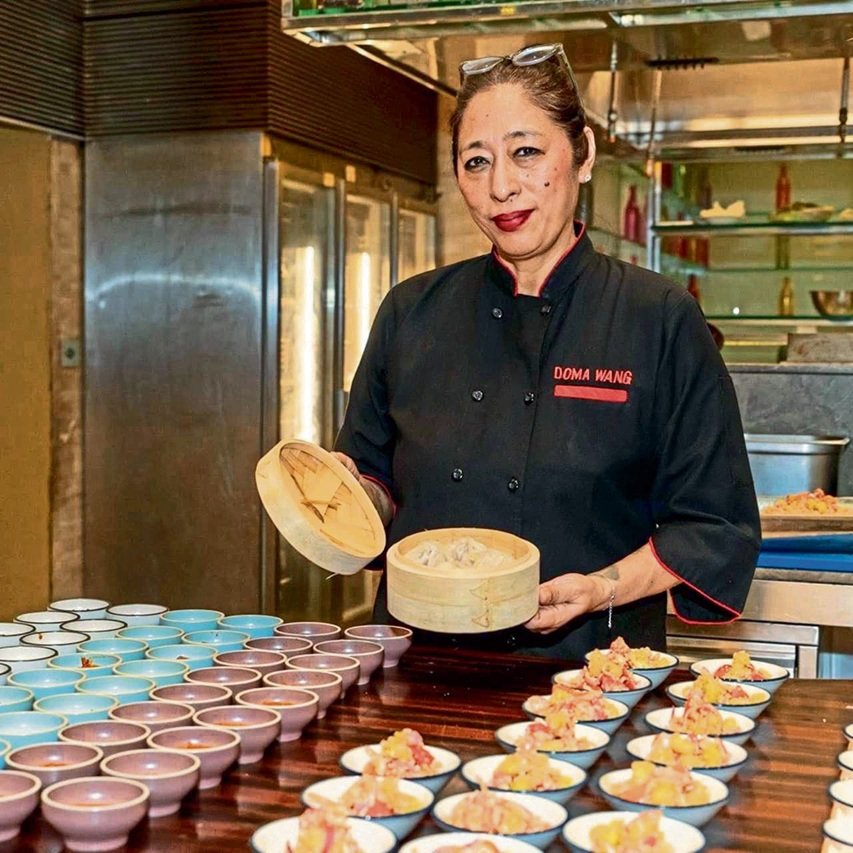
6. Your late father, Popo, was a great inspiration. What is the most important culinary lesson he taught you, and how does his spirit live on in your kitchens today, particularly in your daughter Sachiko’s venture, Popo’s?
Everything I am today comes from my father — Popo. He always told me, “If you like to eat something, learn how to cook it.” He loved cooking and feeding people, and that spirit shaped not just me, but my children as well.
In our kitchens, his presence is everywhere. We cook his recipes, and more importantly, we cook with the love he taught us. Watching Sachiko carry forward his legacy fills me with pride. Through her work at Popo’s, she has made her grandfather immortal — serving his food with the same warmth he did.
7. Beyond the momo, what is a dish from The Blue Poppy Thakali or the region that you feel best represents the heart of Himalayan cuisine, and why?
Beyond the momo, our Nepali thali is what truly captures the heart of Eastern Himalayan cuisine. It is an entire story served on a plate — an amalgamation of the dishes we grew up eating daily. If you want to understand our region, our flavours, our soul, the thali tells that story better than anything else.
8. How challenging is it to source authentic, hyperlocal ingredients in a metropolitan city like Kolkata?
Sourcing true Himalayan ingredients in Kolkata is one of my biggest challenges. The mountains do not exactly offer overnight delivery!
But thanks to family and friends back home, we manage to bring down hyperlocal ingredients in the best possible way, ensuring freshness and preserving their original flavour. It takes effort — but authenticity is worth every bit of it.
9. You’ve lived in Kolkata for over 30 years and consider it home. What is your emotional connection with the city, and how do you think Kolkata embraced and influenced your food?
Kolkata didn’t just accept me; it adopted me. People say I’m more Bengali than many Bengalis — and I take that as the highest compliment.
I love the food, the culture, the warmth, and above all, the deep appreciation for good food that this city carries in its soul. Kolkata shaped my journey, and I’m forever grateful for the love it continues to give me.
10. You’ve been expanding through pop-ups and have plans for other cities. What is next for the Doma Wang brand, and which new city or country are you most excited to bring Himalayan cuisine to?
When I began, my only aim was to put food on the table for my children. Today, my purpose is much larger — to preserve authentic Himalayan flavours and keep Tibetan culture alive through our cuisine.
Pop-ups, conversations, and collaborations across cities help us tell our story. Expanding to other cities or countries is tempting, but my priority is not diluting the brand. Good food, like good culture, needs time and care.
So we’re growing slowly, mindfully — and when the time is right, we’ll spread our wings.
11. What is your idea about social work and its impact?
I have always been in awe of the spirit of social work carried out across the world. It represents a collective effort of self-driven individuals working tirelessly and selflessly across various sectors—truly inspiring. People engaged in social work remind us that each of us, in our own small way, can contribute to making the world a kinder and more compassionate place. They motivate me to do my part as well.
12. Your message for those involved in social work for the upcoming festive season?
My message to everyone engaged in social work this festive season is: continue the incredible work you do, but also remember to pause and celebrate. Take time to enjoy the season with good food, good company, and a joyful heart.
Wishing all of you a very Bengali Happy New Year commencing on 15th April—may the coming year bring warmth, nourishment, and many beautiful moments shared with your loved ones.
News Mania Desk