
Centre Waives Excise Duty on Higher Ethanol-Blended Petrol to Boost Green Fuel Push
News Mania Desk/ Piyal Chatterjee/ 11th June 2026

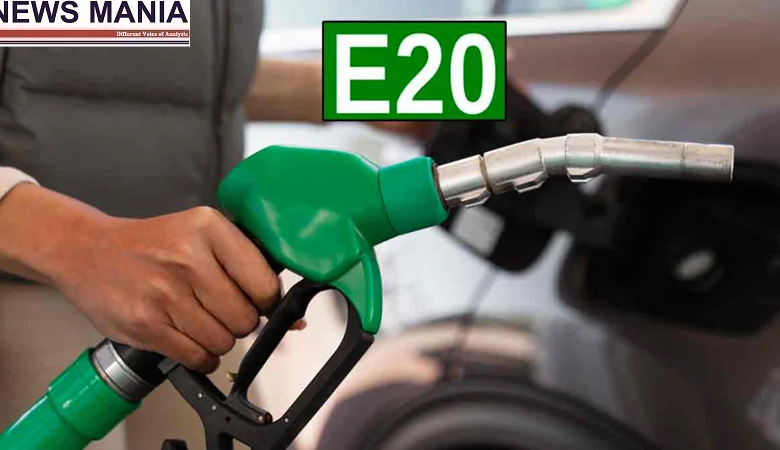
In a significant step towards strengthening India’s biofuel programme, the Centre has exempted petrol blended with higher concentrations of ethanol from Central Excise duty. The decision applies to ethanol-blended petrol containing between 22 per cent and 30 per cent ethanol and is expected to encourage the production and use of cleaner alternative fuels across the country.
The exemption was notified by the Department of Revenue under the Ministry of Finance and covers four categories of fuel blends — E22, E25, E27 and E30. These fuels contain ethanol in proportions of 22 per cent, 25 per cent, 27 per cent and 30 per cent, respectively. The move follows India’s success in achieving its target of 20 per cent ethanol blending in petrol and signals the government’s intention to expand the use of biofuels in the transportation sector.
According to the notification, the excise duty waiver will be applicable only if all relevant taxes and duties have already been paid on both the petrol and ethanol used in the blending process. Additionally, the blended fuel must conform to quality standards prescribed by the Bureau of Indian Standards (BIS).
The government’s ethanol blending initiative is aimed at reducing India’s dependence on imported crude oil, improving energy security and lowering greenhouse gas emissions. Higher ethanol usage is also expected to provide a stable market for sugarcane growers and grain producers, benefiting the agricultural sector and supporting rural incomes.
Industry experts believe that the latest policy measure could encourage greater investment in ethanol production facilities and related infrastructure. However, the large-scale adoption of higher ethanol blends will require the gradual introduction of compatible vehicles and the expansion of fuel distribution systems capable of handling these blends. The excise duty exemption marks another milestone in India’s broader transition towards sustainable energy solutions and cleaner transportation fuels.